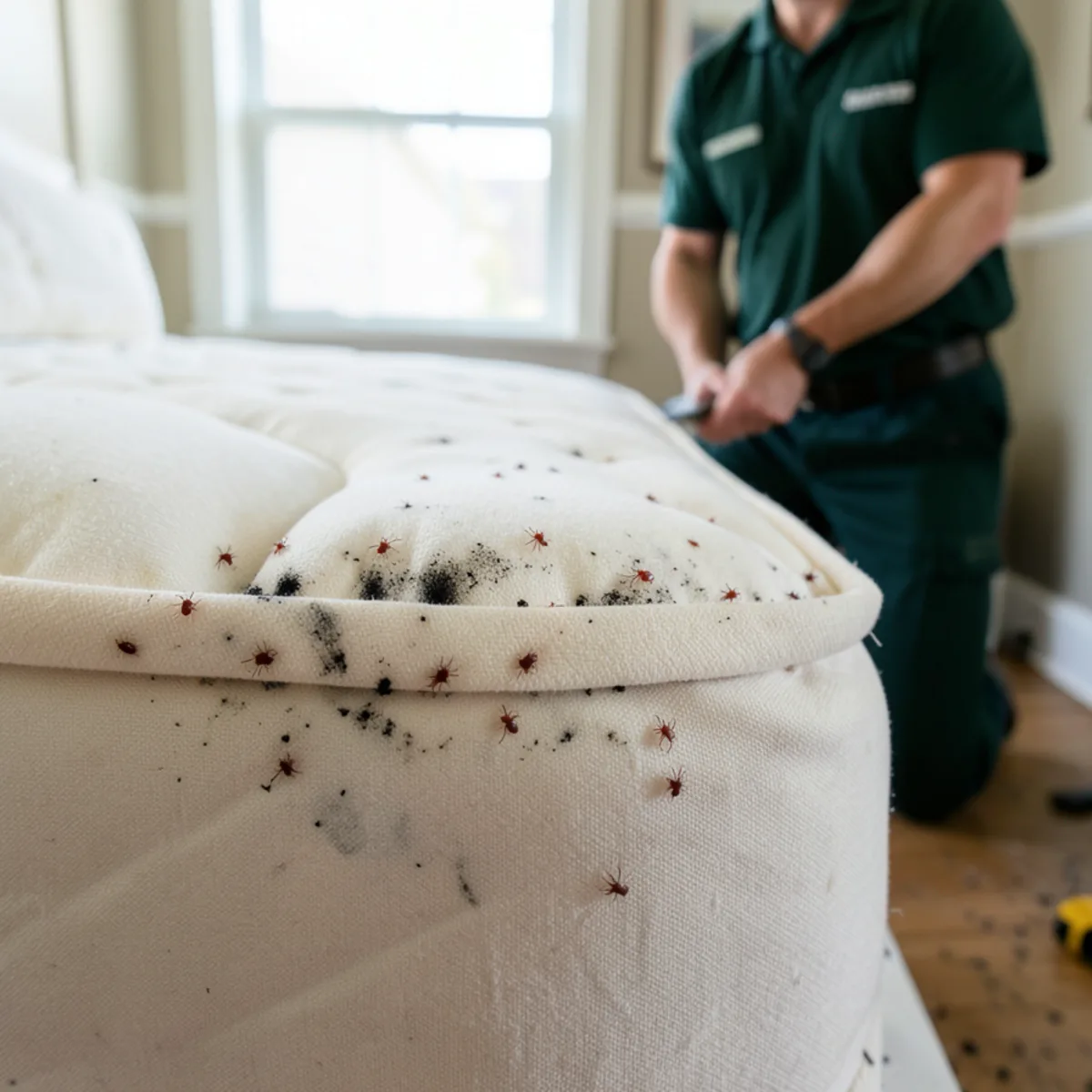
Waking up with itchy bites or finding bugs in mattress seams? Take these critical containment steps in the first 24 hours to prevent spreading the infestation.
Don’t Panic: Immediate Containment Protocol for Bed Bug Discoveries
Discovering bed bugs (Cimex lectularius) in your bedroom, guest suite, or off-campus student apartment in Slippery Rock is alarming. However, taking the wrong immediate steps—such as dragging mattresses through the hallway or setting off aerosol bug bombs—can rapidly turn a minor, localized infestation into a whole-house disaster. What you do in the first 24 hours determines whether eradication takes two weeks or three months.
Dealing with Active Pests in Butler County?
Call our local Butler dispatch desk at (321) 496-4080 for immediate guidance and inspection scheduling.
The Biological Life Cycle: Why Early Containment Is Crucial
Bed bugs (Cimex lectularius) are among the most resilient domestic parasites in North America. A single fertilized female bed bug lays between one and five eggs per day, producing upwards of 500 eggs over her reproductive lifespan. In warm indoor environments, eggs hatch in approximately seven to ten days, and emerging nymphs immediately require a blood meal to progress through each of their five molting stages. Without proactive containment, a minor introduction of two or three hitchhiking bed bugs can balloon into thousands within two to three months. Bed bugs feed primarily at night between 2:00 AM and 5:00 AM, drawn by host carbon dioxide output and body heat. They inject an anesthetic saliva that numbs the skin during feeding, which is why victims rarely wake up while being bitten.
Why Retail Aerosol Foggers Spread Infestations Deeper
When panic strikes, many tenants and homeowners run to the local hardware store to purchase retail insect foggers ("bug bombs"). In pest control, bug bombs are universally recognized as the single worst response to bed bugs. Aerosol foggers release volatile pyrethroid mists that settle on top of bedsheets and carpets without penetrating mattress seams, box spring coils, or hollow baseboard voids where bed bugs hide. Worse, the irritating chemical vapors trigger an alarm dispersal response: bed bugs flee the treated room, scattering through wall outlets into adjacent bedrooms, living rooms, and neighboring apartments. Always avoid consumer foggers and focus on physical containment.
Temperature Standards for Effective Thermal Eradication
Thermal laundering and steam remediation are the most reliable physical tools available for immediate bed bug knockdown. Review these scientific thermal thresholds to ensure complete mortality across all life stages.
| Life Stage | Lethal Temperature Threshold | Minimum Exposure Time | Recommended Action |
|---|---|---|---|
| Adult Bed Bugs | 118°F (48°C) | 20 minutes continuous heat | Dryer on high heat cycle for 45 minutes |
| Nymphs (All Instars) | 118°F (48°C) | 20 minutes continuous heat | Launder bedding in hot water wash (120°F+) |
| Eggs (Hardened Shell) | 122°F (50°C) | 60 minutes continuous heat | High-temperature clothes dryer cycle |
| Commercial Heat Treatment | 135°F–145°F (57°C–63°C) | 4–6 hours whole-room soak | Professional electric bed bug thermal heaters |
Step 1: Isolate the Infested Room and Halt Furniture Movement
The single most important rule is keeping all bedding, pillows, clothing, and furniture in the room where bugs were detected. Dragging an infested mattress or chair into a living room or hallway drops eggs and live nymphs throughout the home. Furthermore, do not switch bedrooms to sleep on the sofa; bed bugs follow carbon dioxide exhaled by humans and will simply migrate across walls into your new sleeping area within days.
Step 2: Collect Physical Evidence for Identification
Before cleaning or vacuuming, capture one or two specimens using clear packing tape or place them in a sealed plastic bag. Take close-up photos of dark fecal inking along mattress piping seams, shed exoskeletons, or live insects. Sharing this visual log with your exterminator confirms the species immediately and determines treatment scope.
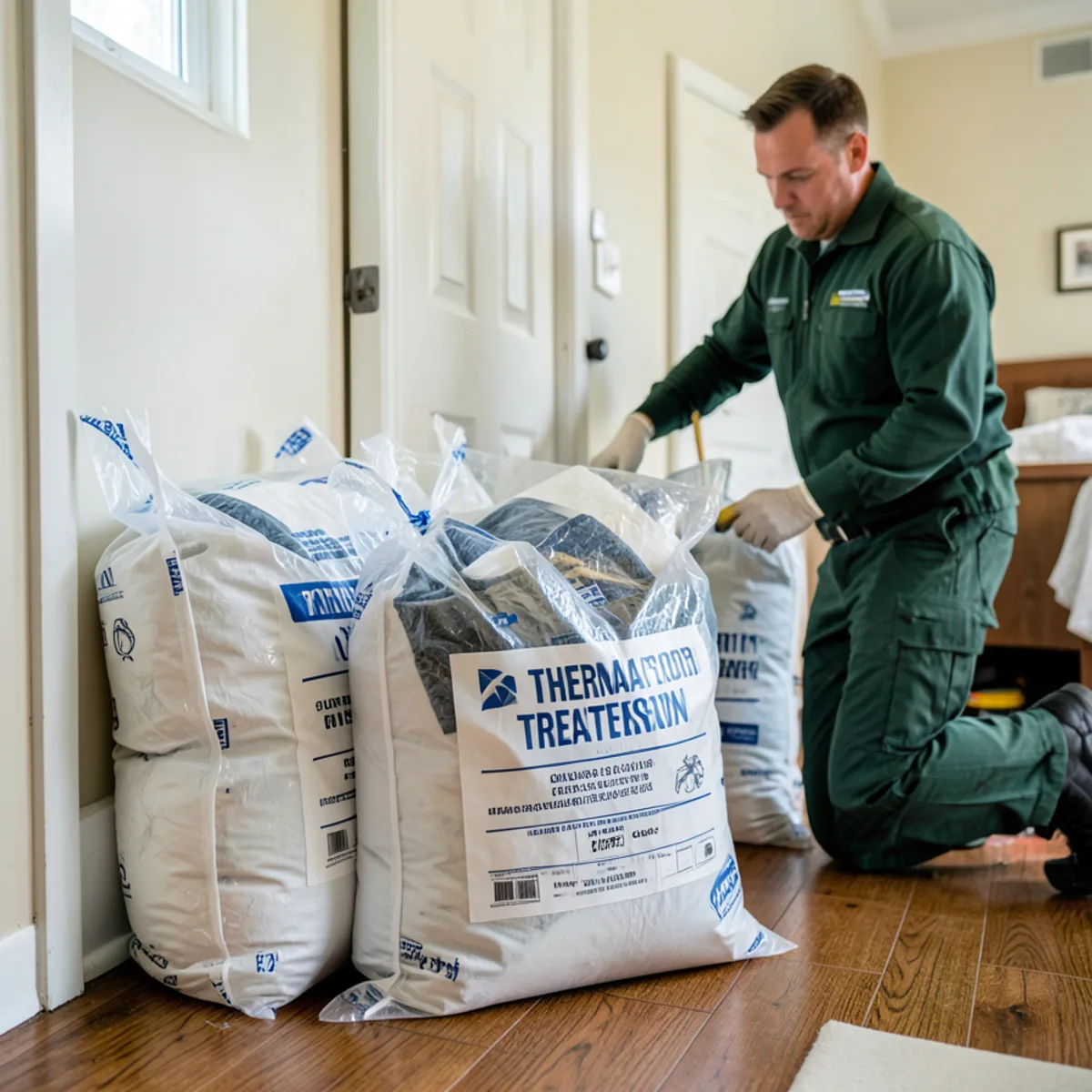
Step 3: High-Heat Laundering and Plastic Contractor Bag Containment
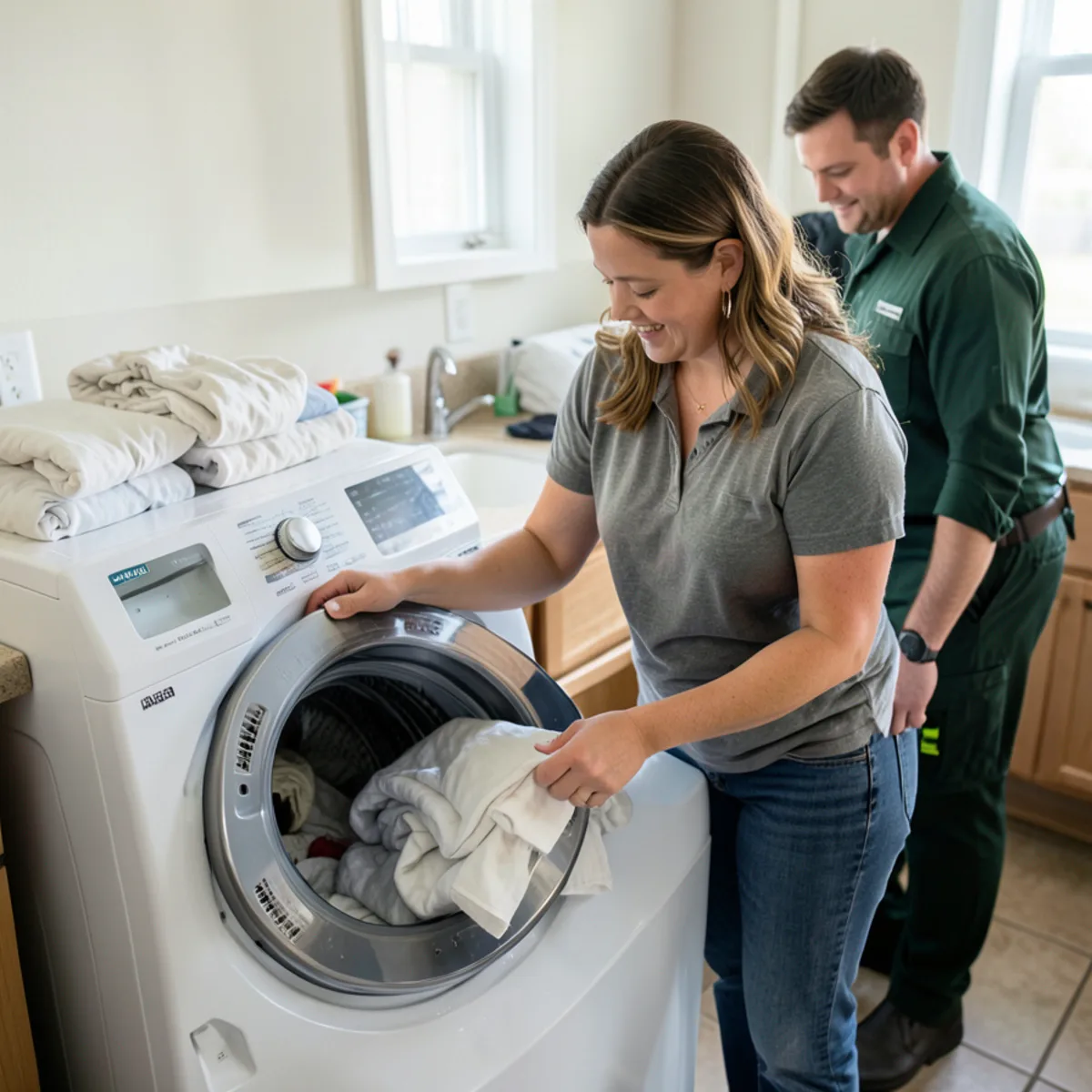
Bed bugs and their eggs cannot survive temperatures above 120 degrees Fahrenheit. Strip all bed linens, pillowcases, blankets, and clothing from the immediate vicinity. Place them directly into heavy-duty plastic contractor bags inside the room and seal the tops tightly. Transfer the items into your clothes dryer and run on high heat for at least thirty minutes. The wash cycle alone does not kill bed bugs, but 30 minutes of high dry heat delivers a 100% thermal kill.
Step 4: Avoid Over-the-Counter Aerosol Foggers at All Costs
Consumer bug bombs and aerosol sprays contain pyrethroids that act as repellents without penetrating deep into mattress piping, screw holes, or baseboard crevices. When exposed to foggers, bed bugs panic and disperse deep into hollow drywall cavities, electrical outlet boxes, and neighboring apartment units, complicating professional remediation.
Professional Thermal Steam & Desiccant Dust Remediation
Modern professional bed bug eradication avoids toxic pesticide saturations in favor of integrated thermal and mechanical tools. Commercial dry steam generators producing surface temperatures exceeding 212°F instantly kill bed bug adults, nymphs, and eggs concealed along mattress tufts, headboard joints, and carpet tack strips without soaking upholstery. Following steam application, technicians apply pharmaceutical-grade amorphous silica dust behind electrical faceplates and along interior wall voids. Unlike chemical repellents, amorphous silica dust is an inert mechanical desiccant that scratches the waxy outer cuticle of the insect, causing dehydration within 24 to 72 hours while remaining active for years if kept dry.
Mattress & Box Spring Encasement Science and Installation Protocols
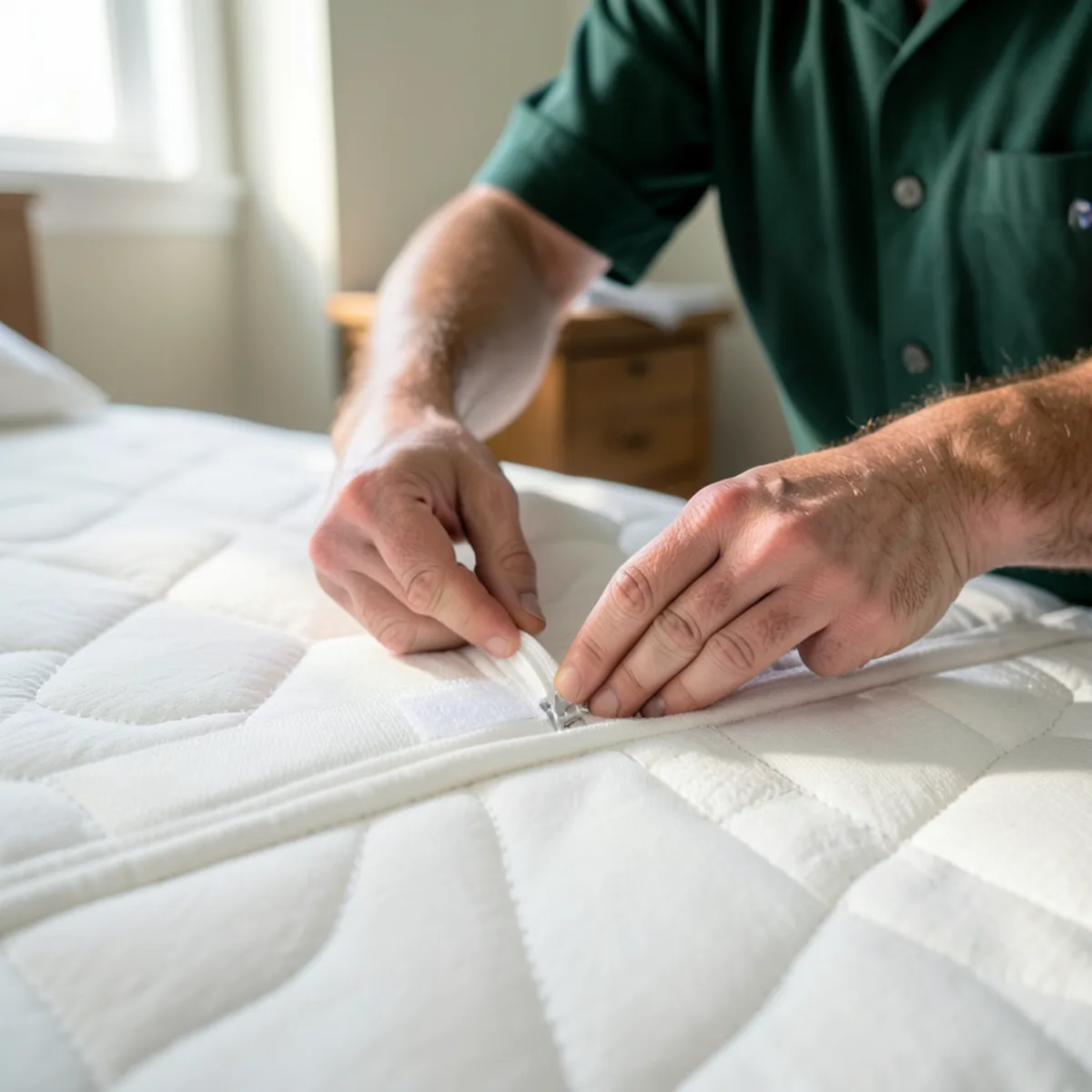
Enclosing mattresses and box springs in certified bed bug encasements is a cornerstone of immediate containment. Standard consumer mattress covers with generic metal zippers are completely ineffective because bed bug nymphs, measuring less than one millimeter in diameter, easily slip between zipper teeth. Professional-grade encasements feature laboratory-tested microweave polyurethane fabric bonded to knit polyester, paired with a specialized zipper enclosure that incorporates a hook-and-loop locking flap ("zip-lock" tooth barrier) to prevent insects from crawling through the terminal zipper stop. Installing encasements traps any residual bed bugs inside where they cannot bite and eventually starve, while simultaneously eliminating exterior seams and tufts to make subsequent inspections ten times faster.