Termite Treatment & Inspections in Butler, PA
Certified NPMA-33 Wood Destroying Insect reports for real estate sales and non-repellent subterranean termite barriers.
Structural Termite Elimination & Certified WDI Reports Across Butler County
Subterranean termites (Reticulitermes flavipes) represent a persistent threat to residential properties throughout western Pennsylvania. Working quietly within structural timbers, an established colony can consume several pounds of cellulose framing every month without producing obvious surface damage until significant hollow spaces have formed. Whether you are purchasing a home in Cranberry Township, selling a historic property in Saxonburg, or noticing discarded insect wings along your basement foundation, prompt professional inspection and non-repellent structural treatment protect your equity and the safety of your home.
What Our Termite Diagnostic & Treatment Scope Includes
Our certified termite service delivers rigorous visual inspection, lending-compliant real estate documentation, and continuous soil barrier protection.
Key Inspection Checklist & Action Items:
- Full-property structural inspection of all accessible sill plates, header joists, and crawlways
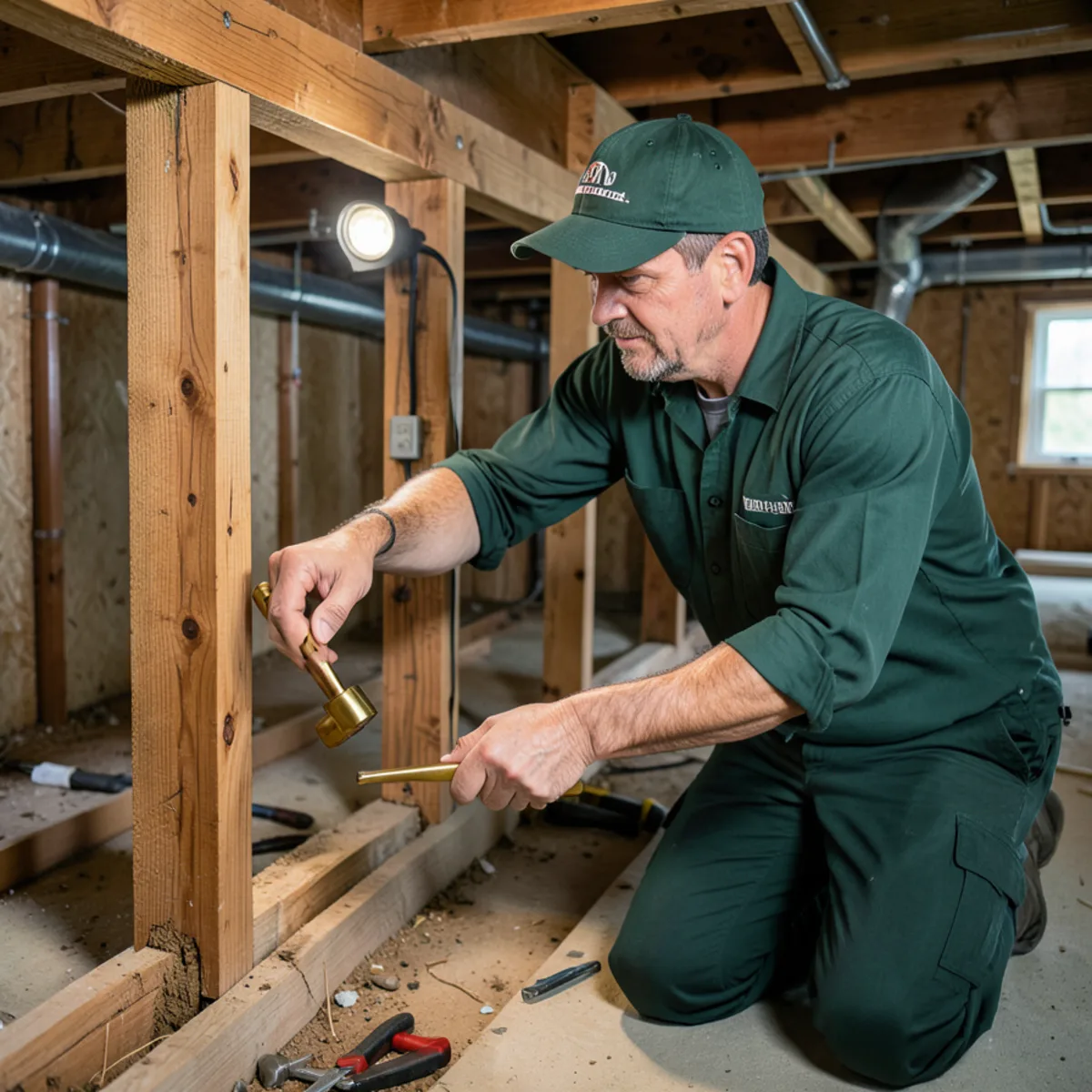
- Acoustic sounding and electronic moisture metering of suspect wood framing members
- Official NPMA-33 Wood Destroying Insect (WDI) report delivery for mortgage underwriting
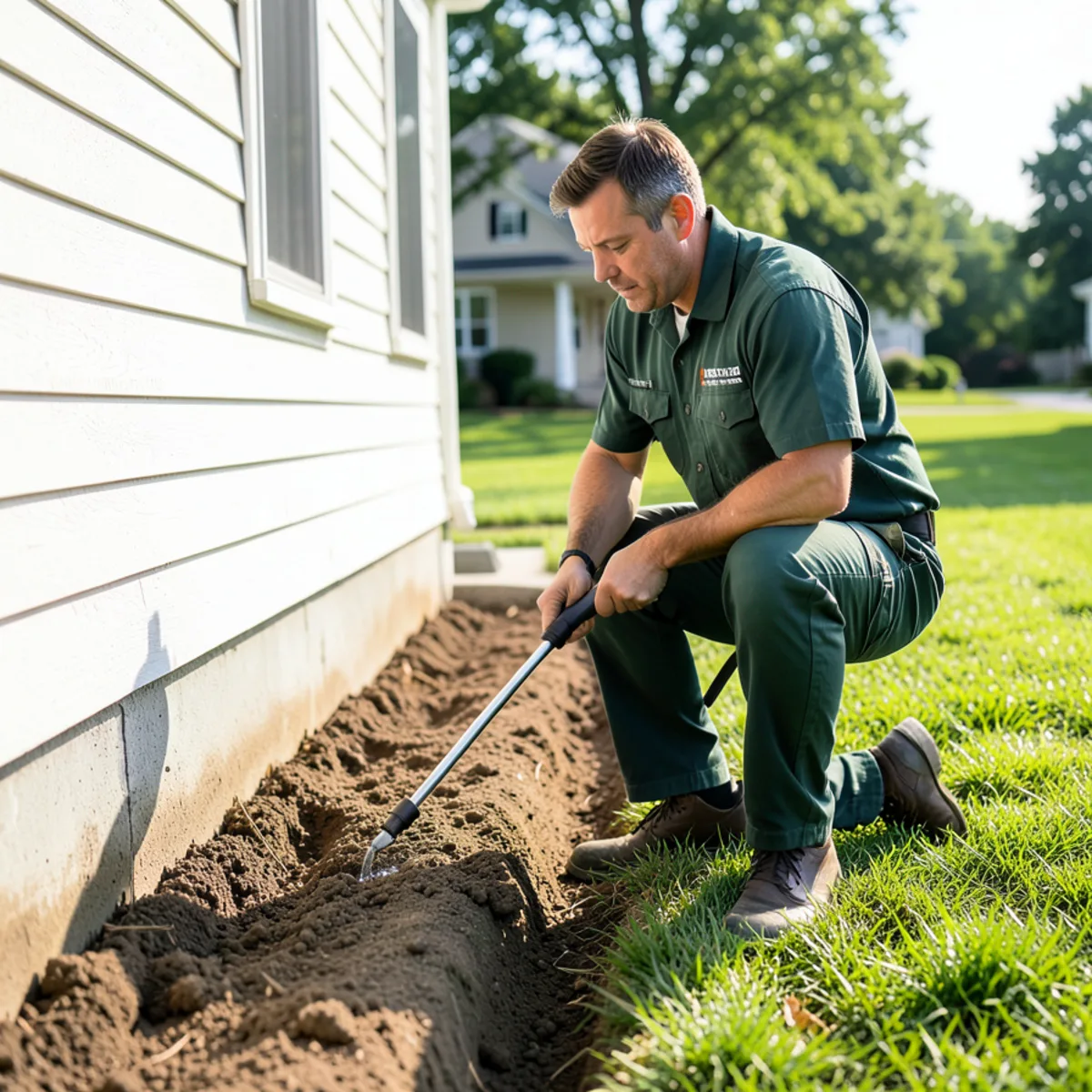
- Continuous exterior perimeter trenching and non-repellent liquid soil barrier saturation
- Sub-slab masonry drilling and termiticide injection beneath attached concrete garage slabs and stoops
- Written treatment warranty and multi-year structural re-inspection options for homeowners
Have Questions About Termite Treatment & Inspections in Butler County?
Speak directly with our Butler desk at (321) 496-4080 to discuss your home layout, schedule a visit, and receive immediate pest guidance.
Recognizing Subterranean Termite Warning Signs
Unlike surface-dwelling pests, subterranean termites live in underground soil colonies and forage upward into homes seeking wood framing. Homeowners should monitor for three primary indicators.
Spring Swarmer Flights & Discarded Wings
On warm, humid spring mornings following rain, mature subterranean colonies release winged reproductive swarmers. Swarmers drop their translucent wings on window sills, basement steps, or near exterior doorways shortly after landing.
Mud Shelter Tubes on Foundation Walls & Sill Plates
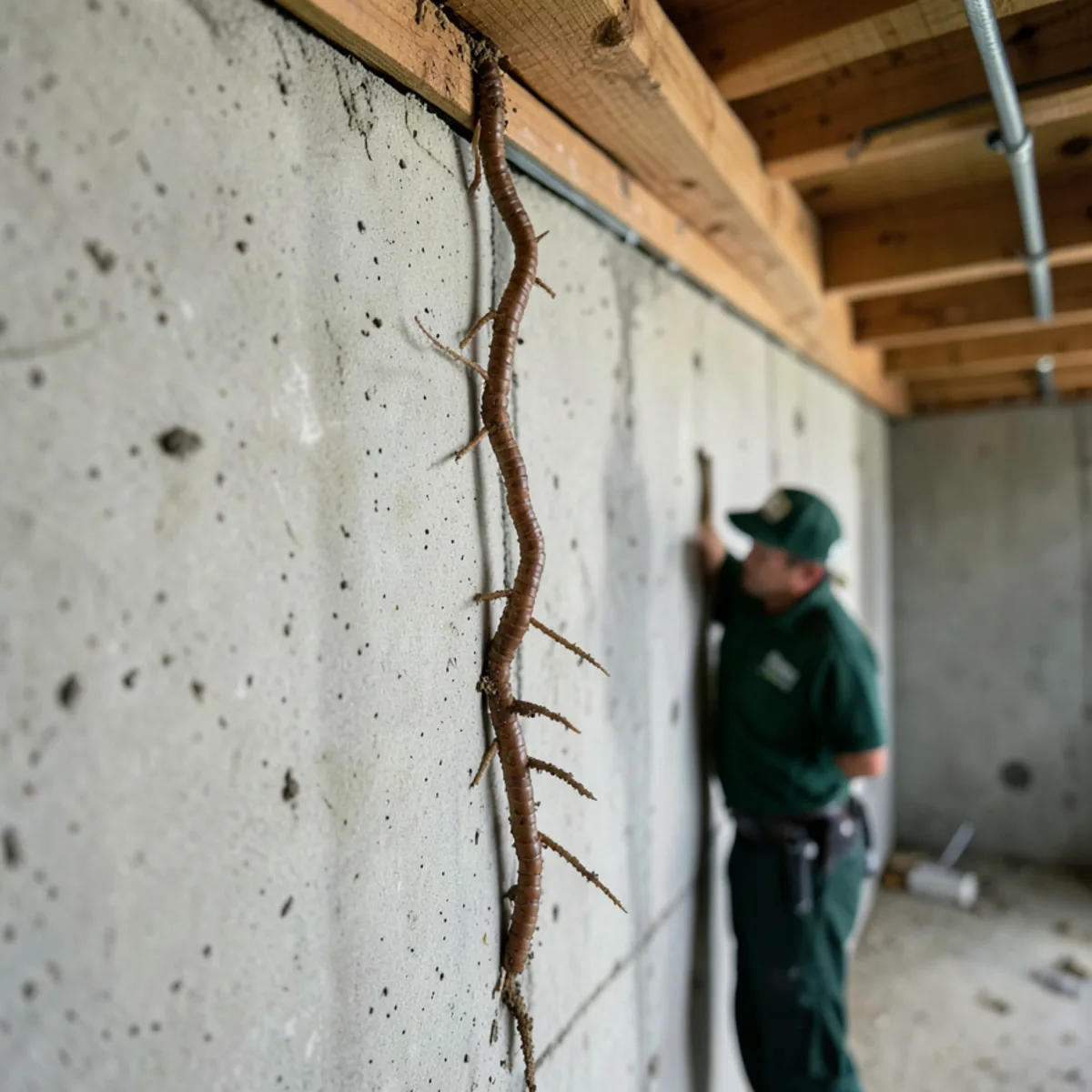
Because subterranean termites are susceptible to desiccation in open air, they construct pencil-thin earthen mud tubes across concrete walls, stone mortar joints, and steel columns to travel safely between the soil and wooden joists.
Hollowed Wood Framing & Structural Sponginess
Termites feed along the softer springwood grain, leaving hollowed, layered galleries lined with soil. Tapping floor joists, baseboards, or sill plates with an inspection tool produces a telltale hollow, papery sound.
The Pennsylvania Real Estate WDI Inspection Standard
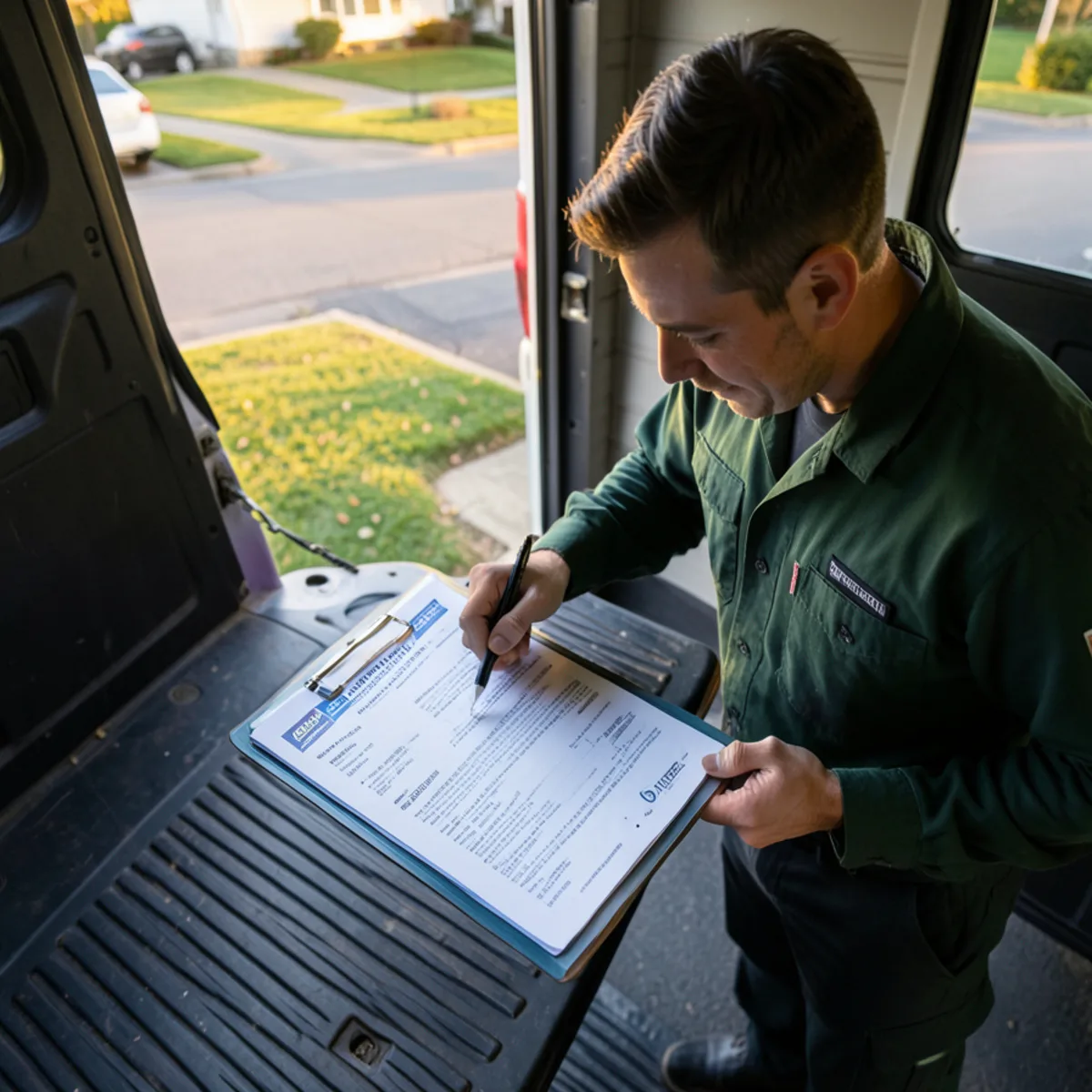
In Pennsylvania real estate transactions, mortgage lenders—particularly FHA, VA, USDA, and conventional underwriters—routinely mandate a formal Wood Destroying Insect (WDI) inspection before approving financing. This requirement protects both the buyer and lender from hidden structural liabilities that could compromise the building integrity. In Butler County, older homes with finished basement rec rooms or drywalled foundation walls present unique inspection challenges because subterranean termites construct mud shelter tubes behind baseboards and insulation. Our certified inspectors execute thorough visual and acoustic evaluations of all accessible wooden framing, foundation sills, header joists, and subflooring, issuing the official NPMA-33 inspection document required for smooth closing.
Subterranean Termite Soil Barrier Chemistry & Trenching Protocols
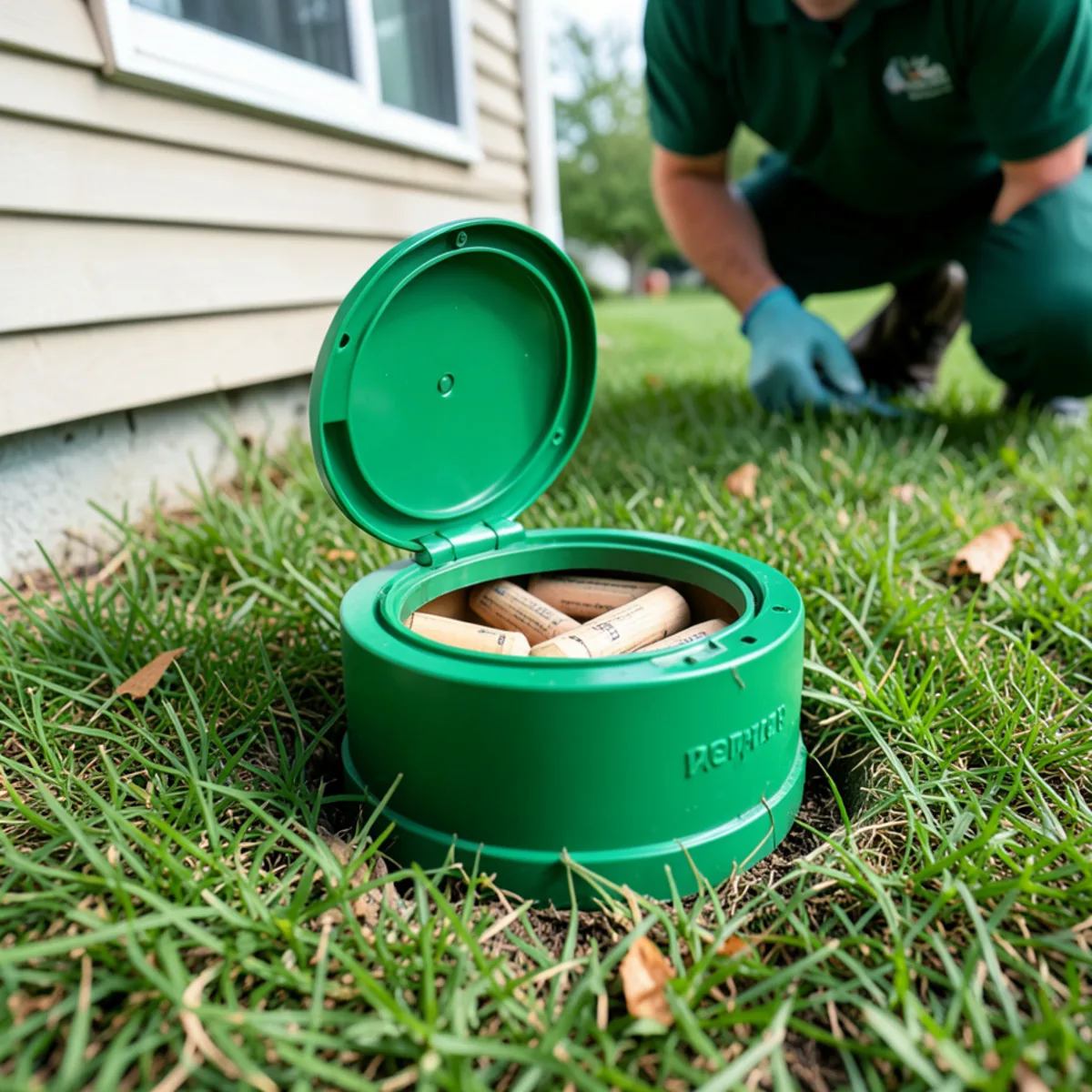
Eradicating subterranean termites in Butler County requires creating a continuous, uninterrupted chemical treated zone in the soil abutting your foundation walls. Termites live in underground colonies and build mud exploration tubes over foundation footers to reach structural wood framing. We utilize non-repellent termiticides (such as fipronil) that termites cannot detect. As worker termites forage through the treated soil, they unknowingly absorb and transfer the active ingredient throughout their colony via grooming and food sharing (the transfer effect). We trench along exterior foundation perimeters and drill through attached concrete slabs (such as garage floors and front porches) to deliver termiticide directly to the sub-slab gravel base where termites travel.
Our 5-Step Process for Complete Termite Remediation & WDI Certification
Our termite eradication and inspection procedures follow a standardized 5-step engineering sequence:
Key Inspection Checklist & Action Items:
- Step 1: Acoustic Sounding & Moisture Diagnostic — Conducting a systematic structural evaluation of all foundation sills, band joists, and support beams using a non-destructive sounding mallet and pinless moisture meter.
- Step 2: Continuous Exterior Soil Trenching — Digging a continuous 6-inch by 6-inch trench abutting exterior foundation masonry to receive non-repellent liquid termiticide at label-specified volume.
- Step 3: Sub-Slab Masonry Injection — Using a heavy-duty rotary hammer drill with 1/2-inch carbide bits to drill attached garage slabs, front entry stoops, and patio slabs every 12 inches, injecting termiticide into the sub-slab gravel base with a calibrated flow rod.
- Step 4: Block Void & Hollow Masonry Treatment — Foaming or pressure-injecting hollow cinderblock cores and interior plumbing pipe sleeves where subterranean workers ascend from soil.
- Step 5: Official NPMA-33 Document Issuance — Delivering the formal, standardized Wood Destroying Insect documentation required for Pennsylvania real estate closing and mortgage loan approval.
Pennsylvania Department of Agriculture Licensing & Environmental Compliance
All subterranean termite treatments and WDI inspections performed by Sayonara Pest Control comply strictly with Title 7 of the Pennsylvania Code, Chapter 128 and the Pennsylvania Pesticide Control Act of 1973. Technicians maintain specialized commercial applicator certification through the Pennsylvania Department of Agriculture (PDA) under Category 12 (Wood Destroying Pests) and Category 11 (Household and Health-Related Pests). Our chemical applications adhere strictly to label guidelines regarding domestic drinking well setbacks (maintaining required non-treatment safety margins around private wells common across rural Butler County), preventing runoff into local stormwater basins or trout-stocked creeks. All official WDI documents and treatment manifests are permanently preserved for three years per state regulatory standards.
Why Butler County Buyers, Sellers & Realtors Choose Sayonara Pest Control
Headquartered at 220 S Main St, Suite 102 in Butler, PA, Sayonara Pest Control is the trusted local resource for prompt real estate inspections and structural termite defense. When a mortgage closing deadline is approaching, call our Butler desk directly at (321) 496-4080 (Monday through Friday, 7:30 AM to 5:00 PM) for rapid 24- to 48-hour WDI inspection turnaround. For active infestations, we deliver long-term protection backed by non-repellent transfer chemistry and meticulous sub-slab injection, ensuring complete colony eradication and permanent peace of mind.
Butler County Communities Served for Termite Inspection & Treatment
We provide prioritized termite inspections, NPMA-33 reports, and structural treatments throughout Butler County and adjacent Route 8 communities:
Key Inspection Checklist & Action Items:
- Butler (16001): Certified WDI inspections for historic downtown properties, pre-1940 bungalows, and Butler Township residences.
- Saxonburg (16056): Structural evaluations for historic Roebling-era timber homes, farmsteads, and rural properties in Clinton and Jefferson Townships.
- Mars & Adams Township (16046): High-velocity real estate closing inspections and structural termite barriers along the Route 228 corridor.
- Sarver & Buffalo Township (16055): Subterranean termite defense for hillside homes and wooded properties near the Buffalo Creek valley.
- Cranberry Township (16066): Rapid NPMA-33 report turnaround for buyers, sellers, and mortgage lenders in master-planned subdivisions.
- Gibsonia & Richland Township (15044): Termite barrier treatments and inspections for single-family residences along Route 8.
- Zelienople & Harmony (16063): Historic frame house inspections and subterranean termite barriers near Connoquenessing Creek.
- Slippery Rock (16057): Structural inspections for residential homes, agricultural acreage, and rental properties near Moraine State Park.
What Drives the Cost of Termite Treatment & Inspections in Butler, PA?
Rather than relying on flat one-size-fits-all figures, our pricing reflects the physical specifications of your property and the biological extent of pest activity:
- Total linear perimeter footage around foundation walls
- Foundation construction (monolithic poured slab, hollow cinderblock, stone crawlspace)
- Need for specialized masonry drilling through attached concrete porches, garage slabs, or patios
- Presence of finished basement drywall obscuring structural sill plate access
- Severity of active structural damage requiring remediation versus preventative chemical barrier
* We provide clear written estimates before any application or exclusion work commences. Call our Butler office for inspection scheduling.
Frequently Asked Questions About Termite Treatment & Inspections
Answers to common questions from Butler County property owners.
Ready to Eradicate Pests with Termite Treatment & Inspections?
Call our Butler dispatch line at (321) 496-4080. We provide prompt scheduling across Butler, Saxonburg, Mars, Sarver, and Cranberry Township.
Direct Line: (321) 496-4080 · Hours: Monday – Friday: 7:30 AM – 5:00 PM