Tick & Mosquito Control in Butler, PA
Protective yard treatments targeting deer ticks, Lyme disease vectors, and biting mosquitoes across Butler County outdoor spaces.
Protecting Butler County Families from Lyme Disease & Biting Mosquitoes
Butler County is widely recognized as one of the highest-risk regions for tick-borne illness in Pennsylvania. State Department of Health surveillance data and regional reporting consistently place Butler County among the top counties in Pennsylvania for confirmed Lyme disease cases, routinely reporting more than 300 confirmed cases annually. The blacklegged tick (Ixodes scapularis), commonly called the deer tick, transmits the Borrelia burgdorferi bacterium responsible for Lyme disease, alongside babesiosis and anaplasmosis. Meanwhile, humid summers along local creek valleys and wetlands produce aggressive mosquito populations that disrupt outdoor family activities and carry West Nile virus. Our seasonal yard protection program creates a continuous barrier that suppresses both disease-bearing vectors.
What Our Butler Tick & Mosquito Program Includes
Our seasonal yard treatment targets high-risk questing zones and resting harborages without broad chemical saturation of open lawn turf.
Key Inspection Checklist & Action Items:
- Pre-treatment ecotone inspection and perimeter property boundary mapping
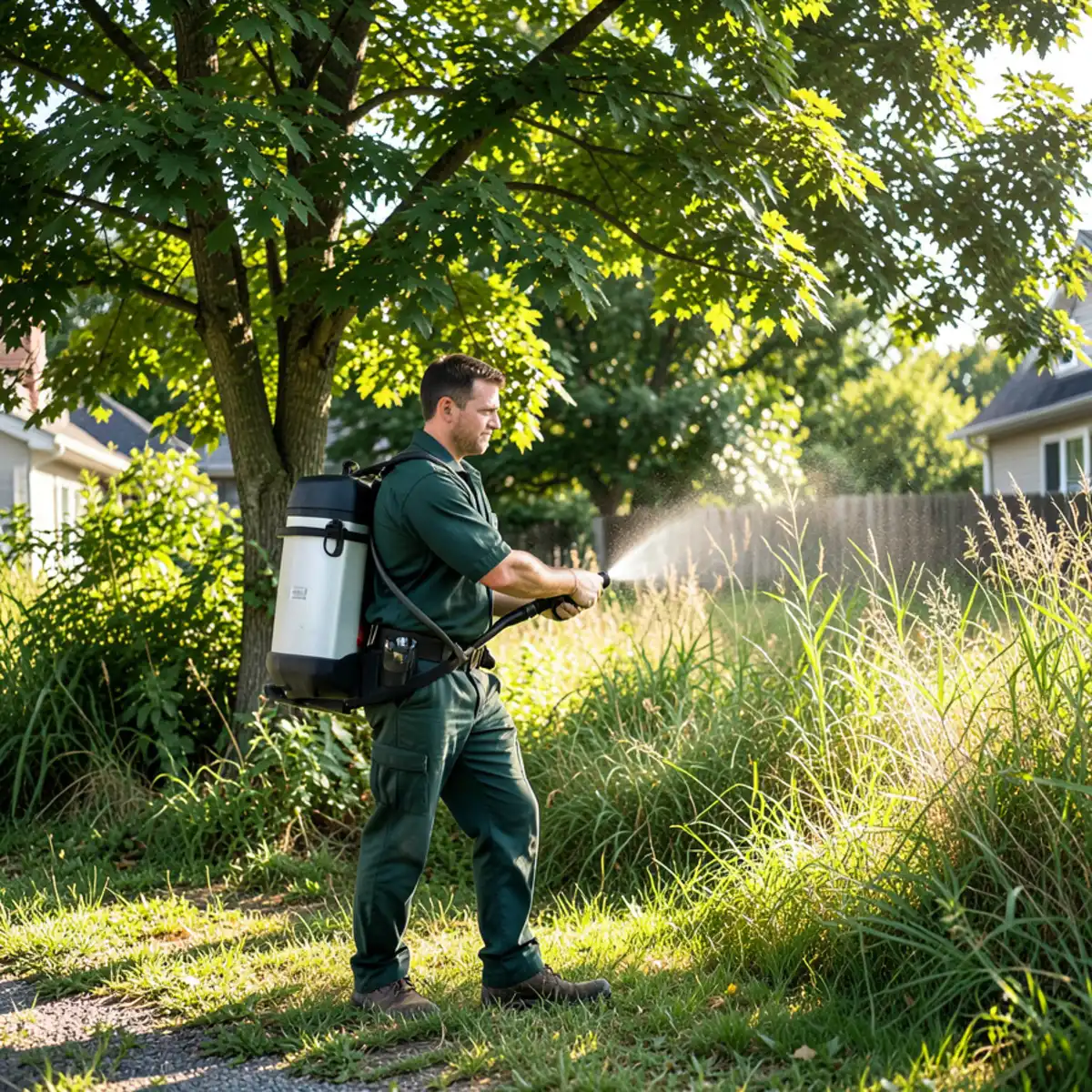
- Targeted barrier misting of tall brush, ornamental groundcover, and leaf litter boundaries
- Underside foliage atomization on shaded deciduous shrubs and patio tree canopies
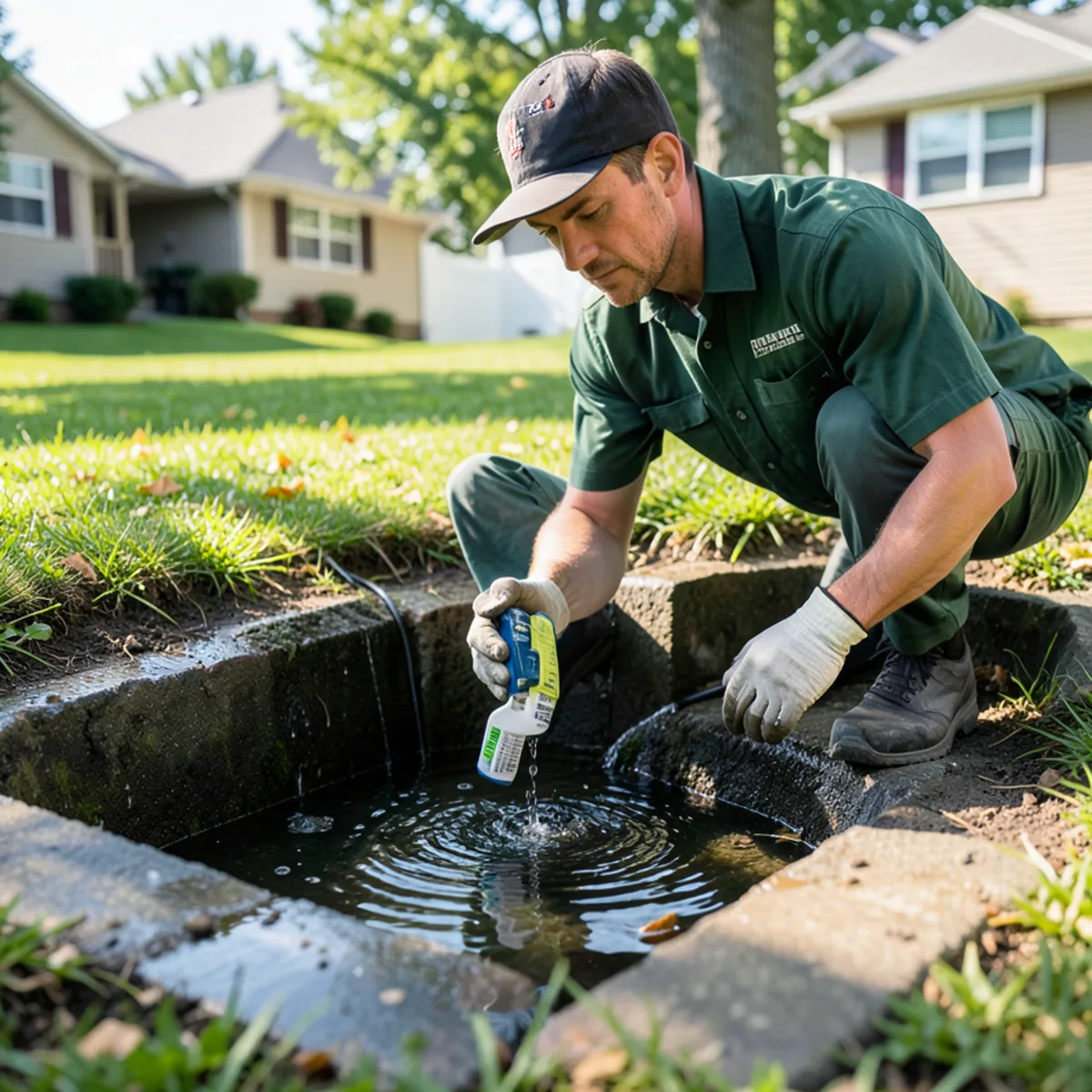
- Biological larvicide application (BTI dunks) to French drains, culverts, and standing water basins
- Seasonal re-application every 21 to 30 days from April nymph emergence through October frost
- Detailed digital service record delivered after every visit with homeowner cultural guidelines
Have Questions About Tick & Mosquito Control in Butler County?
Speak directly with our Butler desk at (321) 496-4080 to discuss your home layout, schedule a visit, and receive immediate pest guidance.
Butler County Lyme Disease Vector Surveillance & Yard Zoning
Western Pennsylvania consistently leads the Commonwealth in reported Lyme disease cases, with Butler County health data and local news agencies repeatedly recording elevated incidence rates. In one recent surveillance period, Butler County recorded 332 confirmed Lyme cases, ranking third among all 67 Pennsylvania counties. Blacklegged deer ticks (Ixodes scapularis) harbor in the moist leaf litter of deciduous woodlands bordering residential subdivisions across Mars, Adams, Cranberry, and Saxonburg. To maximize protection while minimizing chemical usage, we divide your property into three strategic zones: Zone 1 (immediate patio and lawn turf), Zone 2 (manicured shrub beds and garden borders), and Zone 3 (the dense ecotone where lawn meets wild woodland brush). Our precision misting is concentrated directly on Zone 3, where questing nymph and adult ticks wait for passing hosts.
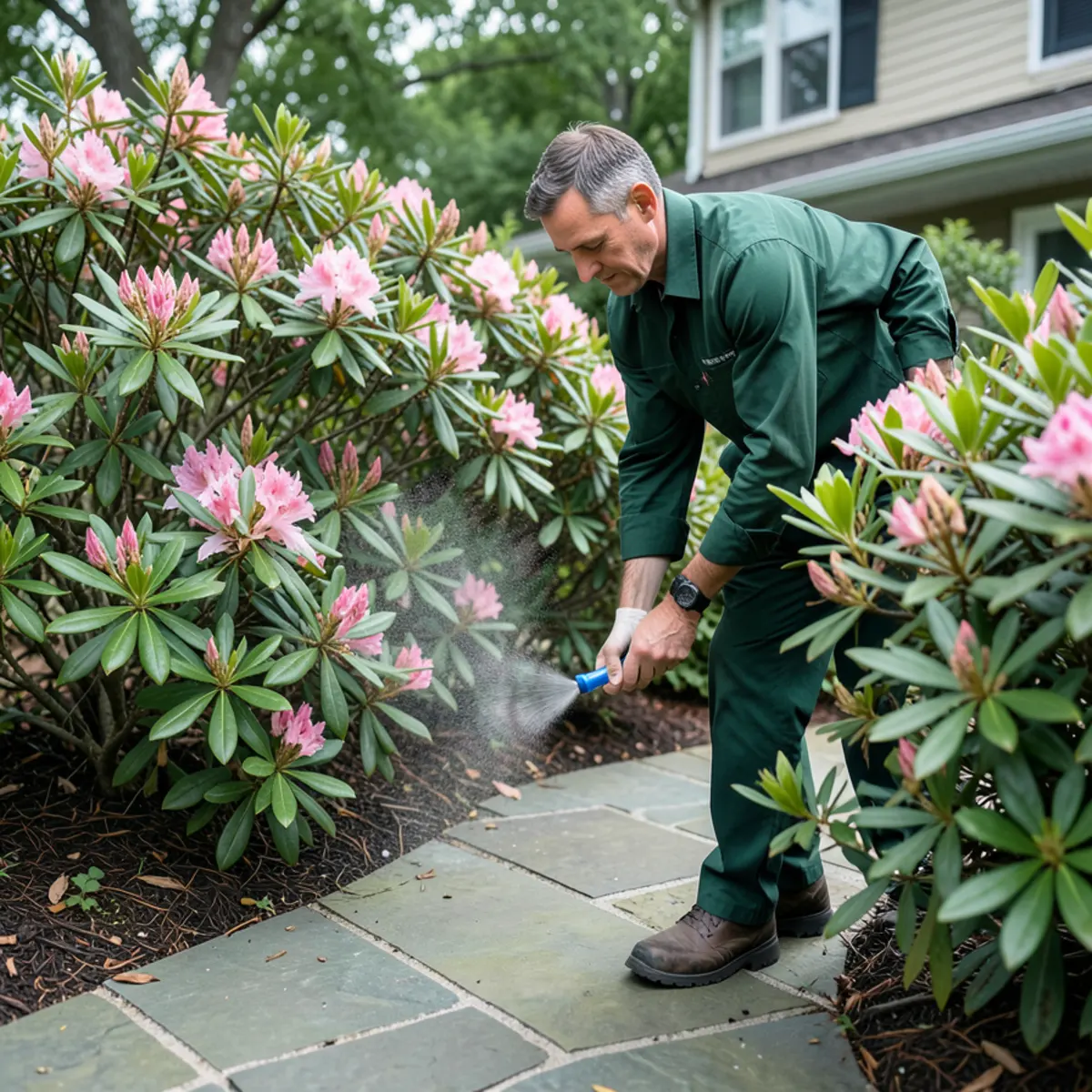
The Local Threat: Butler County's Documented Lyme & West Nile Vectors
Our rural-suburban landscape creates optimal environmental conditions for tick questing and mosquito reproduction.
Blacklegged Deer Tick Pressure Along Wooded Property Edges
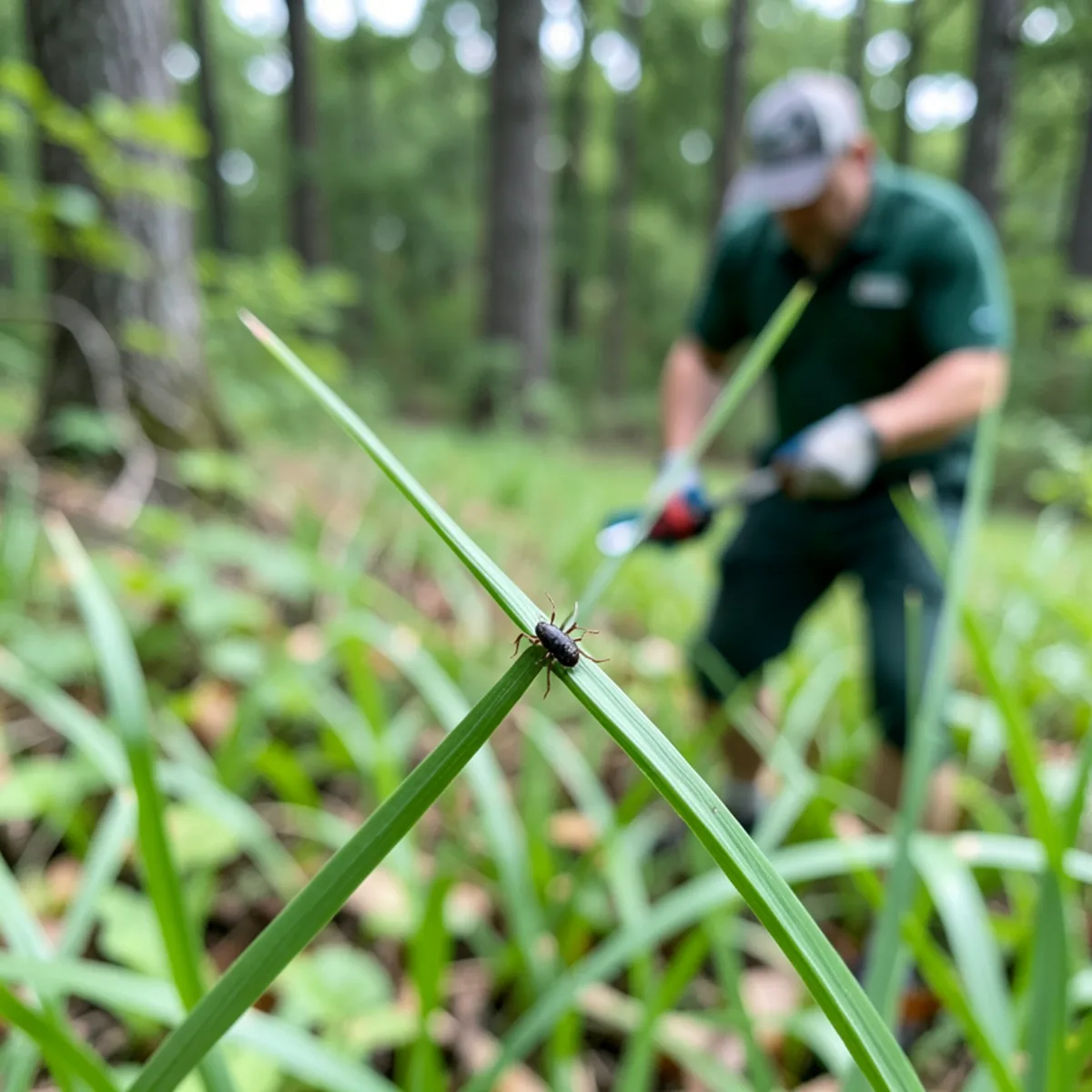
Over 80 percent of tick encounters in western PA happen in the transitional ecotone—the shaded, humid border where manicured lawn meets deciduous woods, brush, or stone retaining walls. White-tailed deer and white-footed mice continuously deposit tick larvae and nymphs into backyard perimeter vegetation.
Mosquito Surveillance Near Moraine State Park & Wetland Basins
In summer 2025, Butler County vector surveillance identified West Nile virus-positive mosquito pools in Franklin Township adjacent to Moraine State Park. Shaded properties in Slippery Rock, Center Township, and Sarver near creek basins face persistent mosquito breeding in standing water and shaded brush.
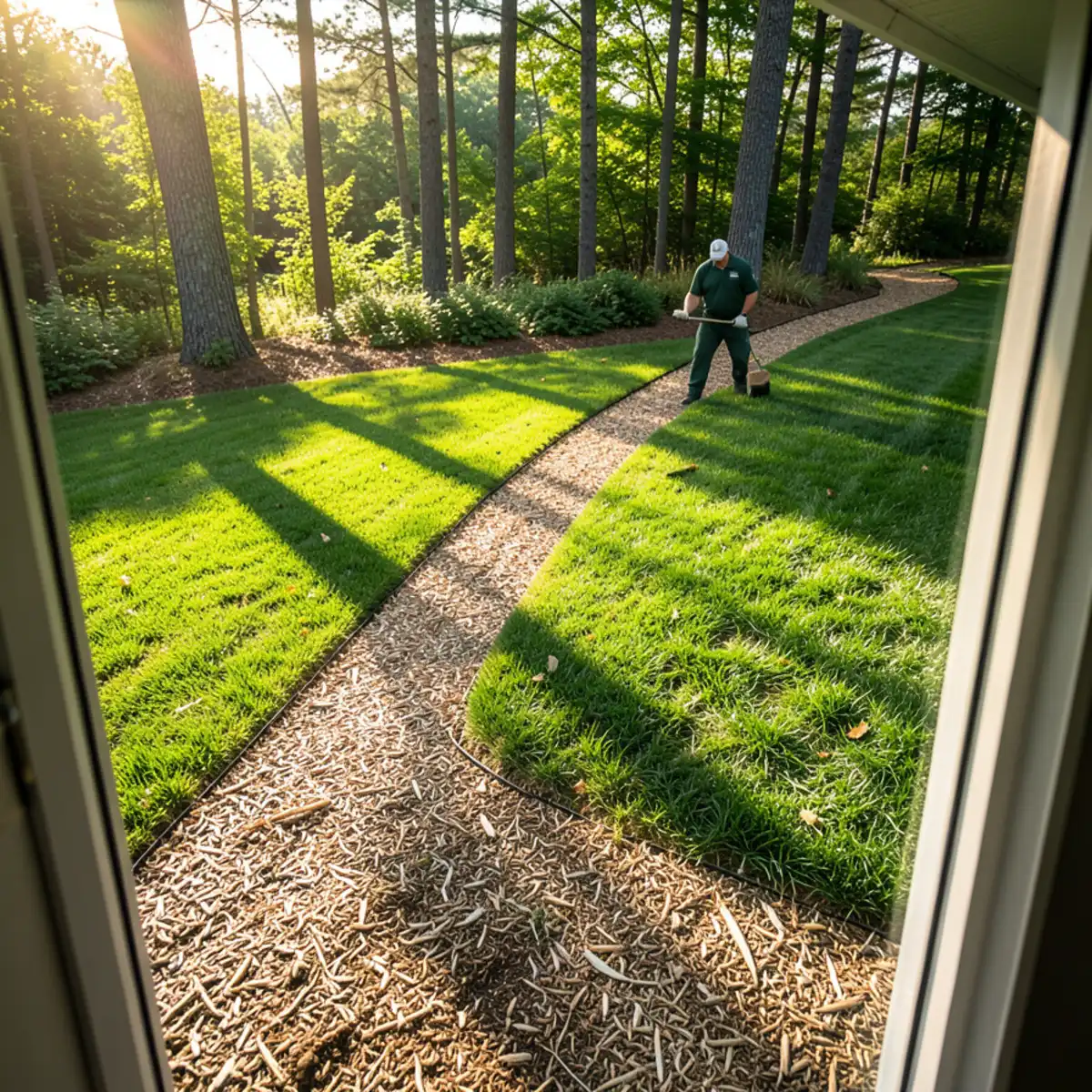
Dual-Action Yard Treatments: How Barrier Defense Operates
Rather than soaking open, sun-baked grass where neither ticks nor mosquitoes live, our specialized motorized misting equipment directs treatment precisely where vectors harbor.
Perimeter Ecotone Misting for Questing Ticks
We apply micro-encapsulated formulations to the low brush, leaf litter, groundcovers, and perimeter tree lines where blacklegged tick nymphs quest for hosts at knee height.
Shrub & Foliage Canopy Treatment for Resting Mosquitoes
Adult mosquitoes avoid direct midday sunlight and rest on the undersides of broadleaf shrubs, ivy beds, and shaded tree canopies. Misting these specific harborage zones creates a contact barrier that eliminates adult mosquitoes for up to thirty days.
Biological Larvicide for Drainage Basins & Standing Water
For standing water in low-lying lawn swales, decorative ponds, or catch basins, we apply Bacillus thuringiensis israelensis (Bti) larvicides that naturally eliminate mosquito larvae before they pupate into biting adults.
Our 5-Step Process for Comprehensive Outdoor Vector Defense
Our outdoor barrier treatments follow a 5-step application sequence utilizing commercial gas-powered equipment calibrated for precise droplet size:
Key Inspection Checklist & Action Items:
- Step 1: Ecotone Flannel Drag & Larval Reservoir Audit — Conducting visual tick-drag sampling along woodland boundaries and identifying mosquito oviposition sites in culverts, French drains, and uncleaned gutters.
- Step 2: Perimeter Brush & Leaf Litter Barrier Misting — Operating a Stihl SR 450 gas backpack mist blower to deliver fine-particle micro-encapsulated liquid up to 3 feet high along woodlot edges, stonewalls, and ornamental groundcovers.
- Step 3: Midday Mosquito Foliage Canopy Atomization — Directing fine atomized droplets into the shaded undersides of dense ornamental shrubbery, ivy patches, and low tree canopies surrounding patios.
- Step 4: Standing Water Biological Larvicide Placement — Applying targeted Bti (Bacillus thuringiensis israelensis) floating briquettes to non-draining yard catch basins, swales, and ornamental water features.
- Step 5: Post-Treatment Safety Verification & Record Delivery — Confirming all treated zones are drying safely and providing property owners with written cultural maintenance steps (such as establishing a 3-foot woodchip barrier along tree lines).
Pennsylvania Department of Agriculture Licensing & Environmental Guidelines
All outdoor vector management programs executed by Sayonara Pest Control comply with Title 7 of the Pennsylvania Code, Chapter 128 and the Pennsylvania Pesticide Control Act of 1973. Technicians hold certified commercial applicator credentials with the Pennsylvania Department of Agriculture (PDA) under Category 11 (Household and Health-Related Pests) and follow rigorous environmental stewardship protocols. We maintain a mandatory 25-foot untreated buffer setback from all fish-bearing streams, natural ponds, and wetland corridors across Butler County to protect sensitive aquatic organisms. Furthermore, we strictly avoid blooming floral plants and clover lawns to safeguard foraging honeybees and native pollinators. Complete application manifests are maintained for three years.
Why Butler County Families Choose Sayonara Pest Control for Yard Defense
Based at 220 S Main St, Suite 102 in Butler, PA, Sayonara Pest Control understands the local tick ecology of western Pennsylvania. Rather than saturating your open lawn with unnecessary chemicals, our technicians focus on the specific transition zones where deer ticks quest and mosquitoes harbor. When you call our Butler team at (321) 496-4080 (Monday through Friday, 7:30 AM to 5:00 PM), we tailor a 21- to 30-day seasonal barrier program that keeps your yard protected from April through October, letting your family and pets enjoy the outdoors with absolute peace of mind.
Butler County Communities Served Under Our Tick & Mosquito Program
Our seasonal yard treatment routes provide prompt, scheduled coverage throughout Butler County and the Route 8 corridor:
Key Inspection Checklist & Action Items:
- Butler (16001): Shaded properties, wooded ravines, and residential lots across Butler City and Butler Township.
- Saxonburg (16056): Protecting farmsteads, horse properties, and residential lots bordering Roebling Park and agricultural woodlots.
- Mars & Adams Township (16046): Subdivisions bordering Adams Township Community Park and Breakneck Creek conservation woods.
- Sarver & Buffalo Township (16055): High-humidity streamside properties and wooded acreage bordering Buffalo Creek.
- Cranberry Township (16066): Yard treatments for suburban subdivisions, greenbelt-adjacent lots, and properties near Graham Park.
- Gibsonia & Richland Township (15044): Forested single-family lots along the Route 8 corridor with high deer crossing pressure.
- Zelienople & Harmony (16063): Shaded yards and creek-bordering lots along Connoquenessing Creek.
- Slippery Rock (16057): Acreage lots, wooded residences, and properties near Moraine State Park and Lake Arthur.
What Drives the Cost of Tick & Mosquito Control in Butler, PA?
Rather than relying on flat one-size-fits-all figures, our pricing reflects the physical specifications of your property and the biological extent of pest activity:
- Total yard acreage and length of wooded boundary needing treatment
- Density of mature ornamental shrubbery and shaded brush on the lot
- Presence of natural water bodies requiring mandatory buffer setbacks
- Frequency of applications (customized seasonal package vs single event barrier)
- Topography complexity and accessibility of perimeter tree lines
* We provide clear written estimates before any application or exclusion work commences. Call our Butler office for inspection scheduling.
Frequently Asked Questions About Tick & Mosquito Control
Answers to common questions from Butler County property owners.
Ready to Eradicate Pests with Tick & Mosquito Control?
Call our Butler dispatch line at (321) 496-4080. We provide prompt scheduling across Butler, Saxonburg, Mars, Sarver, and Cranberry Township.
Direct Line: (321) 496-4080 · Hours: Monday – Friday: 7:30 AM – 5:00 PM