Carpenter Ant Control in Butler, PA
Pinpoint colony tracking and structural treatment for wood-boring carpenter ants damaging Butler homes and decks.
Eradicating Wood-Boring Carpenter Ants in Butler-Area Frame Homes
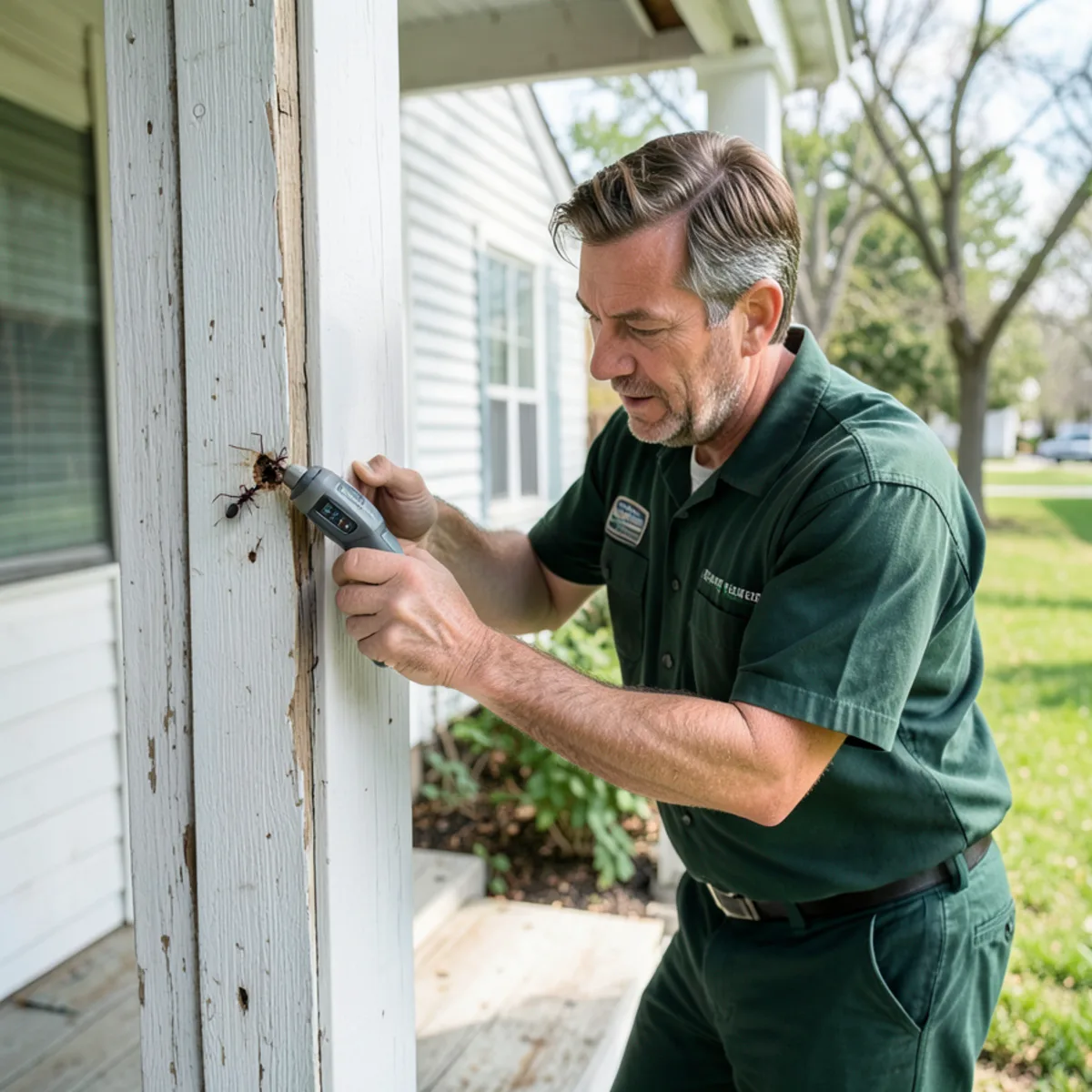
Black carpenter ants (Camponotus pennsylvanicus) are the most common wood-destroying insect encountered across Butler County. Measuring up to half an inch in length, these large black ants are frequently mistaken for ordinary nuisance ants until homeowners notice structural damage beneath wooden decks, porch pillars, or window casings. Unlike subterranean termites, carpenter ants do not digest cellulose—they carve out smooth, polished nesting galleries inside structural timber to shelter their queens and larvae. Older frame residences in Butler, Saxonburg, and Sarver that border hardwood woodlots are particularly vulnerable, especially where historic moisture leaks or condensation have softened structural timbers.
What Our Complete Carpenter Ant Remediation Program Includes
Our targeted wood-destroying ant service tracks down active satellite nesting galleries while systematically intercepting exterior foraging trails.
Key Inspection Checklist & Action Items:
- Acoustic stethoscope inspection and electronic moisture scanning of suspect wall cavities and sills
- Pinpoint micro-injection of non-repellent insecticidal dusts directly into confirmed nesting chambers
- Perimeter foundation and porch ledger board barrier treatment using specialized transfer chemistry
- Outdoor trailing trail survey to locate and treat parent colonies in rotting tree stumps or woodpiles
- Targeted application of slow-acting insect growth regulator baits along active foraging pathways
- Itemized structural moisture report highlighting required gutter, flashing, or ventilation repairs
Have Questions About Carpenter Ant Control in Butler County?
Speak directly with our Butler desk at (321) 496-4080 to discuss your home layout, schedule a visit, and receive immediate pest guidance.
How Carpenter Ants Damage Wood Without Actually Eating It
Understanding carpenter ant excavation behavior is essential for diagnosing infestations early before structural integrity is compromised.
Excavating Structural Framing for Brood Nesting Galleries
Worker ants use powerful mandibles to shave away wood along the softer grain, creating clean, sandpaper-smooth cavities. Over several seasons, expanding satellite colonies hollow out sill plates, floor joists, and porch posts, weakening load-bearing elements.
Frass Accumulation: Identifying Coarse Sawdust Deposits
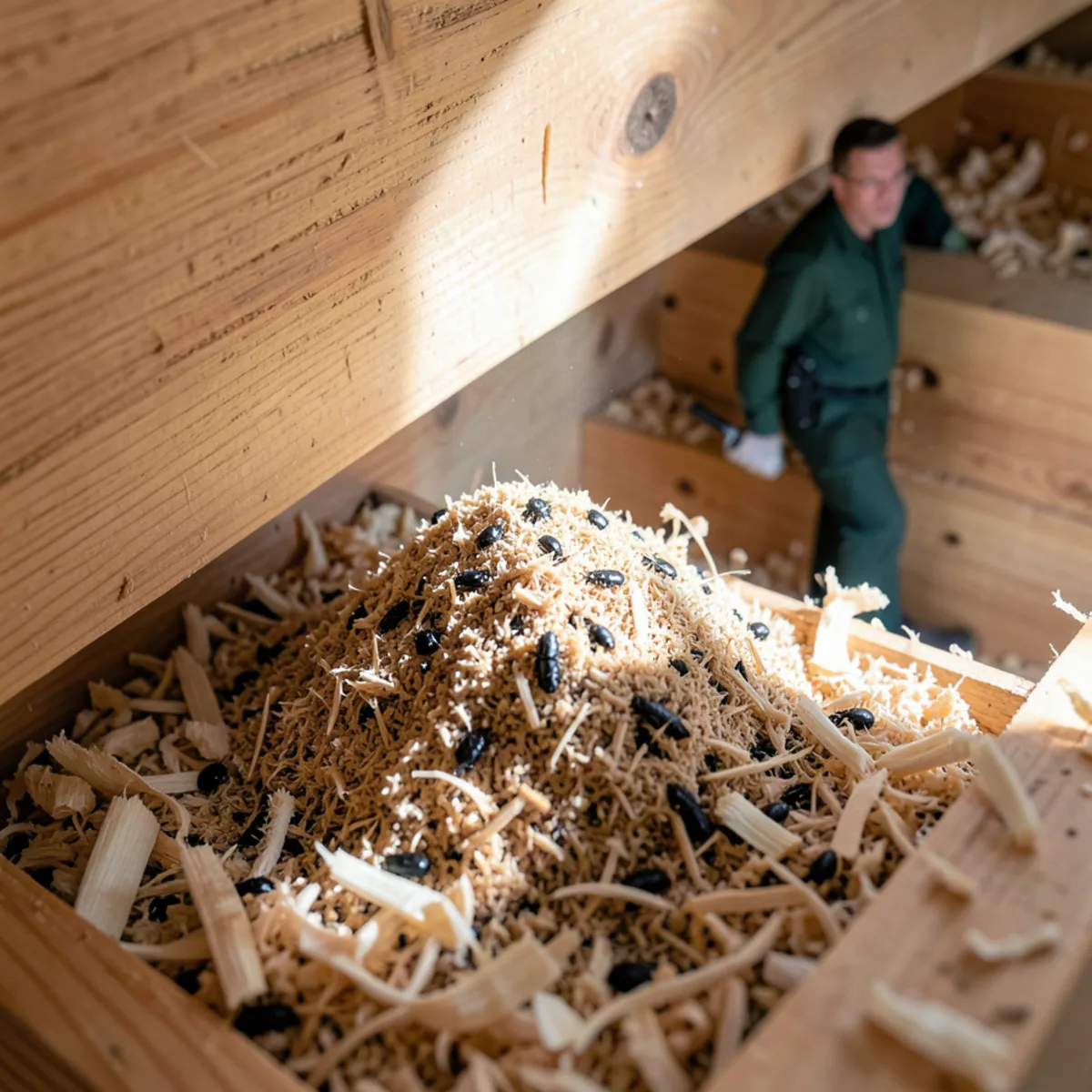
Because they do not eat the wood, carpenter ants deposit the shavings outside their nesting galleries through small slit-like openings. Piles of coarse sawdust ("frass") containing insect fragments (heads, legs, wing parts) beneath wooden framing confirm an active nest.
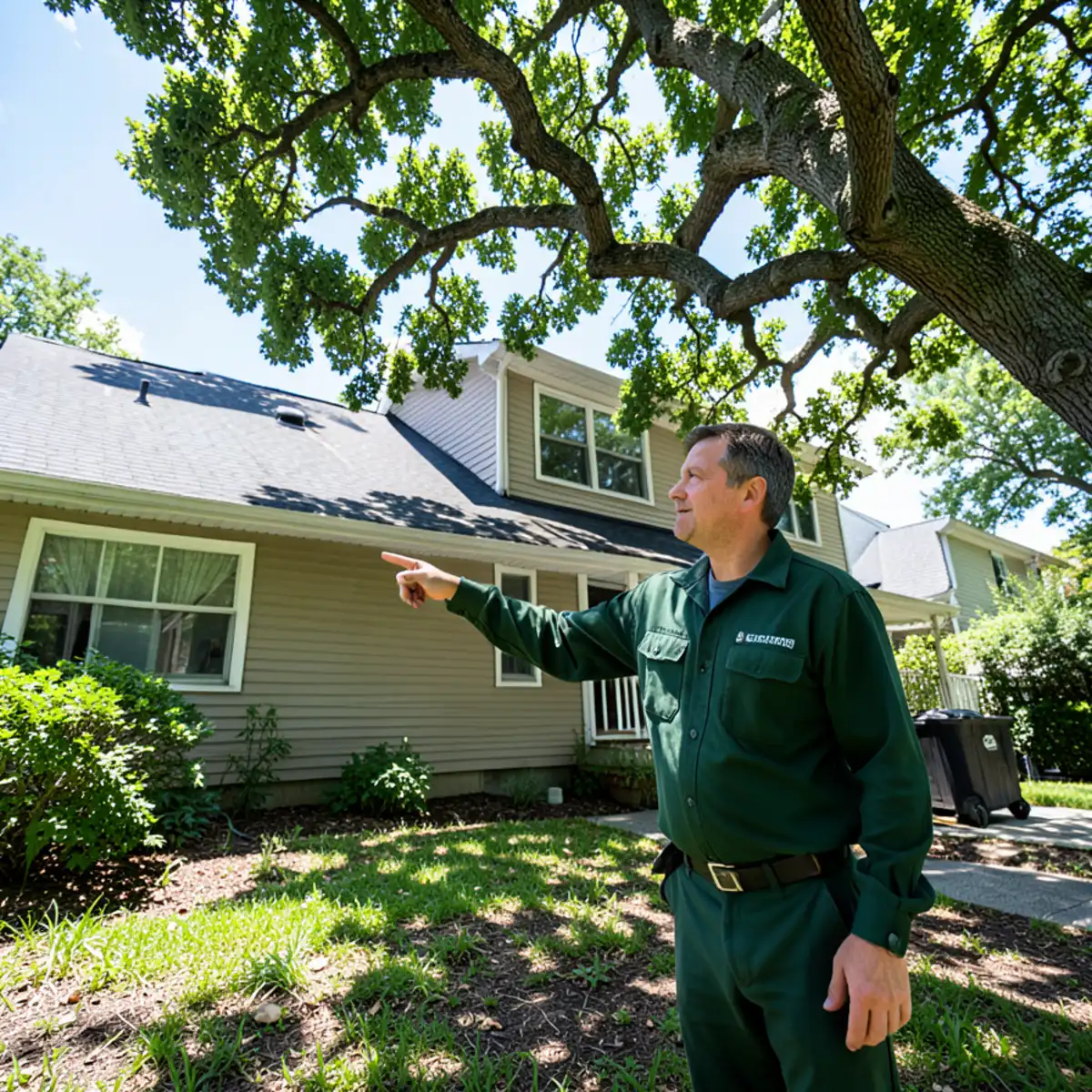
Local Risk Factors: Shaded Lots, Leaking Gutters & Moisture Accumulation
Carpenter ants almost always begin nesting in moisture-compromised wood. Western Pennsylvania homes shaded by dense oak, maple, and hemlock canopies often suffer from damp roof valleys, overflowing gutters, and condensation around basement rim joists. Once established in softened wood, mature colonies readily expand their galleries into adjacent sound, dry framing timbers.
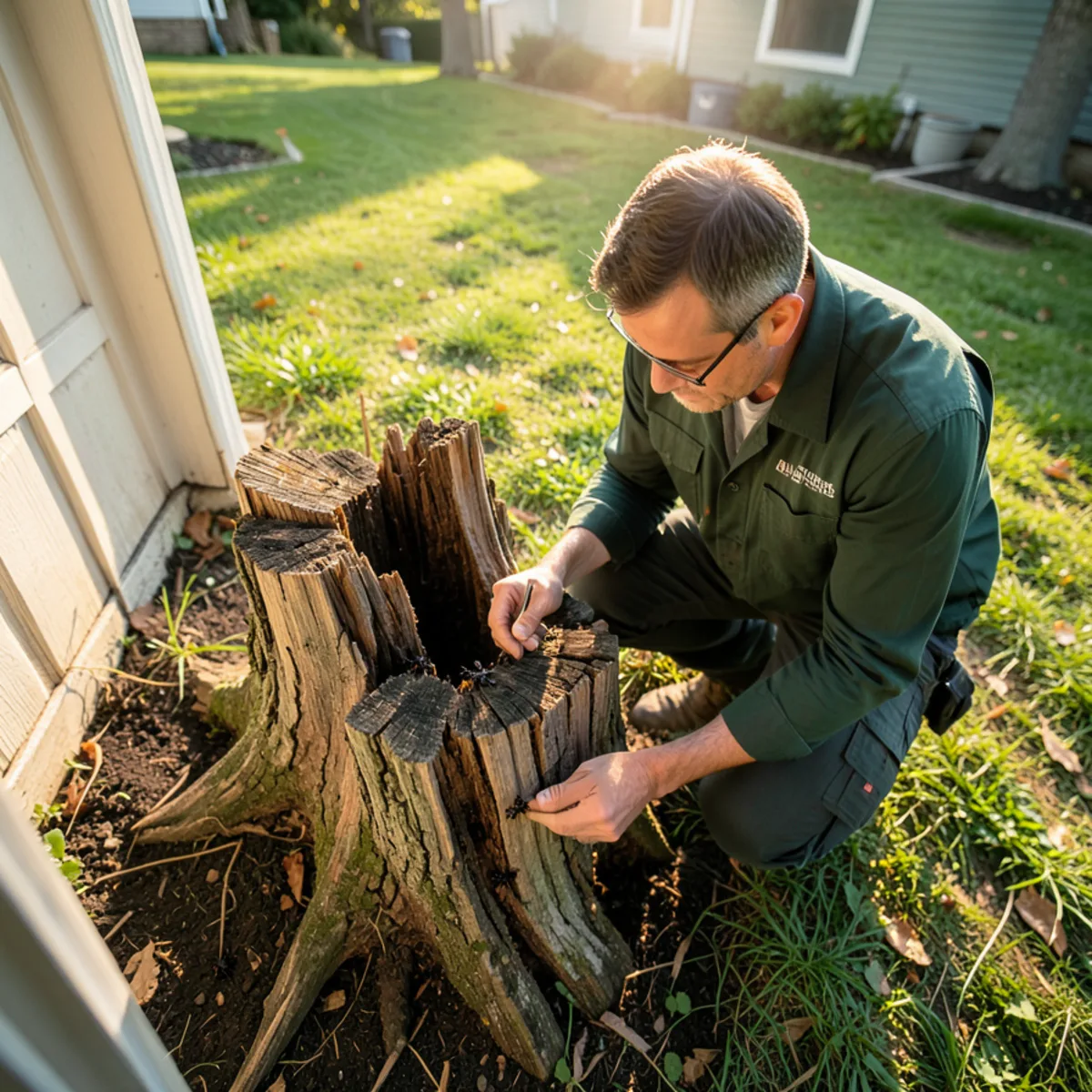
Parent vs. Satellite Colonies: The Butler Woodlot Ecology
Eliminating carpenter ants requires an understanding of their multi-nest social hierarchy. A primary "parent" colony requires high humidity to incubate eggs and queen larvae, typically established outside in a dead oak stump, rotting log, or decaying firewood pile within 100 yards of your house. Once the parent colony matures, worker ants establish multiple "satellite" colonies inside drier structural timbers inside your home. These satellite nests contain mature workers, pupae, and winged swarmers, frequently tunneling into porch headers, window casings, bathroom subflooring, and insulated roof valleys. Spraying surface ants on kitchen counters merely kills foraging workers while leaving the hidden satellite and parent queens completely intact. Our treatment locates and eradicates both colony centers.
Our 5-Step Process for Complete Carpenter Ant Colony Eradication
We execute a methodical 5-step protocol utilizing precision acoustic, moisture, and injection equipment:
Key Inspection Checklist & Action Items:
- Step 1: Acoustic Listening & Moisture Profiling — Utilizing an electronic listening probe to detect active gallery rustling within wall voids and pinless moisture meters to map moisture leaks in sill plates, decks, and roof transitions.
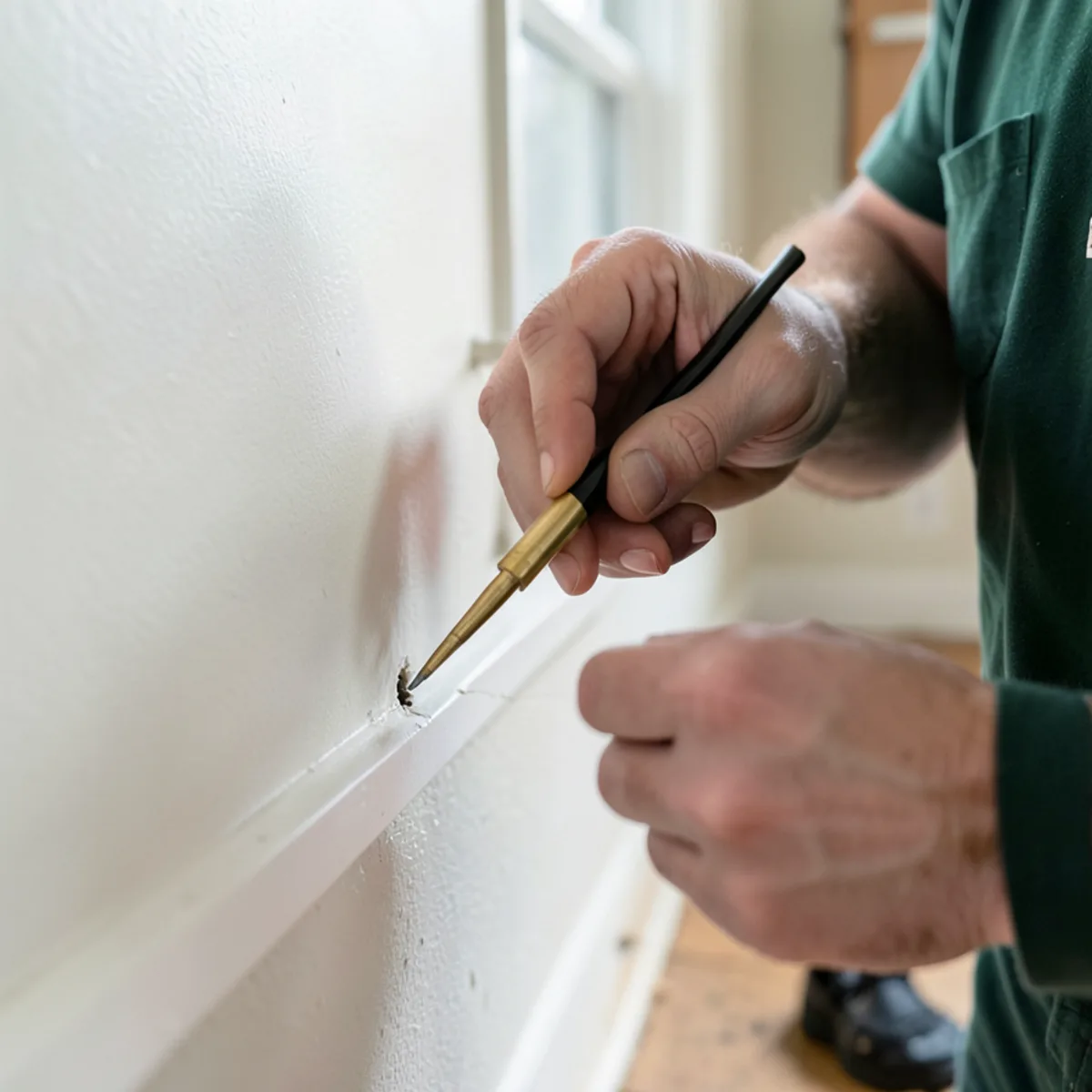
- Step 2: Precision Satellite Gallery Micro-Injection — Drilling discrete 1/8-inch access ports behind baseboards or siding to inject micro-particulate desiccant dust and non-repellent foaming termiticides directly into active brood chambers.
- Step 3: Exterior Foundation Perimeter Transfer Barrier — Applying non-repellent liquid barrier spray along foundation masonry, porch ledger boards, and window drip edges with a calibrated B&G pin-stream sprayer.
- Step 4: Landscape Trail Mapping & Parent Colony Elimination — Inspecting tree stumps, landscape ties, and firewood stacks within 300 feet of the home to drench the central parent queen colony.
- Step 5: Structural Moisture Consultation & Preventive Review — Supplying property owners with a written punch list of moisture issues (such as overflowing gutters, roof valley leaks, or ground-to-siding contact) that must be resolved to prevent future re-infestation.
Pennsylvania Department of Agriculture Licensing & Environmental Guidelines
All carpenter ant treatments performed by Sayonara Pest Control comply strictly with Title 7 of the Pennsylvania Code, Chapter 128 and the Pennsylvania Pesticide Control Act of 1973. Our technicians maintain commercial pesticide applicator certification through the Pennsylvania Department of Agriculture (PDA) under Category 12 (Wood Destroying Pests) and Category 11 (Household and Health-Related Pests). We avoid broad broadcast spraying, utilizing targeted micro-injections and non-repellent transfer chemistry that minimizes pesticide exposure within indoor living spaces. Exterior barrier sprays adhere strictly to safety setbacks protecting private drinking water wells and non-target beneficial insects across Butler County. Application records are securely archived for three years.
Why Butler County Homeowners Trust Sayonara Pest Control for Carpenter Ants
Headquartered at 220 S Main St, Suite 102 in downtown Butler, PA, Sayonara Pest Control specializes in solving persistent wood-destroying pest issues in older western Pennsylvania homes. When you call our Butler team at (321) 496-4080 (Monday through Friday, 7:30 AM to 5:00 PM), you speak directly with local professionals who understand how regional woodlots, damp basements, and porch settling foster carpenter ant satellite nests. We do not just spray baseboards and hope for the best; we track down the primary colony and eliminate satellite nests at their source, backing every treatment with honest, reliable service.
Butler County Communities Served Under Our Carpenter Ant Program
We provide prioritized carpenter ant colony tracking and structural treatments across Butler County and neighboring Route 8 communities:
Key Inspection Checklist & Action Items:
- Butler (16001): Historic frame homes, porches, and damp sill plates throughout Butler City and Butler Township.
- Saxonburg (16056): Preserved Roebling-era wood structures, barns, and woodland properties in Clinton and Jefferson Townships.
- Mars & Adams Township (16046): Subdivisions bordering Breakneck Creek and dense oak forest greenbelts where mature trees overhang roofs.
- Sarver & Buffalo Township (16055): Wooded hillside properties and shaded decks near the Buffalo Creek watershed.
- Cranberry Township (16066): Wood-frame residences, townhomes, and decks backing onto preserved woodland buffer strips.
- Gibsonia & Richland Township (15044): Forested acreage homes with wrap-around porches and mature hardwood canopies along Route 8.
- Zelienople & Harmony (16063): Historic clapboard residences and older porches in the Connoquenessing Creek valley.
- Slippery Rock (16057): Wooded residential properties and rental housing bordering Moraine State Park timber tracts.
What Drives the Cost of Carpenter Ant Control in Butler, PA?
Rather than relying on flat one-size-fits-all figures, our pricing reflects the physical specifications of your property and the biological extent of pest activity:
- Number and location of satellite nests inside the structure
- Accessibility of structural voids (cathedral ceilings vs unfinished crawlspaces)
- Severity of exterior wood rot and moisture damage requiring assessment
- Extent of outdoor parent colony foraging across large wooded properties
- Need for specialized high-reach ladder or roofline treatment equipment
* We provide clear written estimates before any application or exclusion work commences. Call our Butler office for inspection scheduling.
Frequently Asked Questions About Carpenter Ant Control
Answers to common questions from Butler County property owners.
Ready to Eradicate Pests with Carpenter Ant Control?
Call our Butler dispatch line at (321) 496-4080. We provide prompt scheduling across Butler, Saxonburg, Mars, Sarver, and Cranberry Township.
Direct Line: (321) 496-4080 · Hours: Monday – Friday: 7:30 AM – 5:00 PM