Curious what professional pest control costs in Butler County? We break down the pricing factors, one-time versus quarterly plans, and how to evaluate estimates.
Understanding Residential Exterminator Pricing in Western Pennsylvania
When hiring a pest control company in Butler, PA, homeowners encounter a wide variety of pricing models ranging from one-time emergency sprays to comprehensive year-round maintenance plans. Rather than relying on generic national averages that ignore regional housing architecture, understanding the specific variables that influence local quotes ensures you receive an honest, transparent estimate without hidden fees.
Dealing with Active Pests in Butler County?
Call our local Butler dispatch desk at (321) 496-4080 for immediate guidance and inspection scheduling.
Why Butler County Housing Stock Creates Variable Pricing Tiers
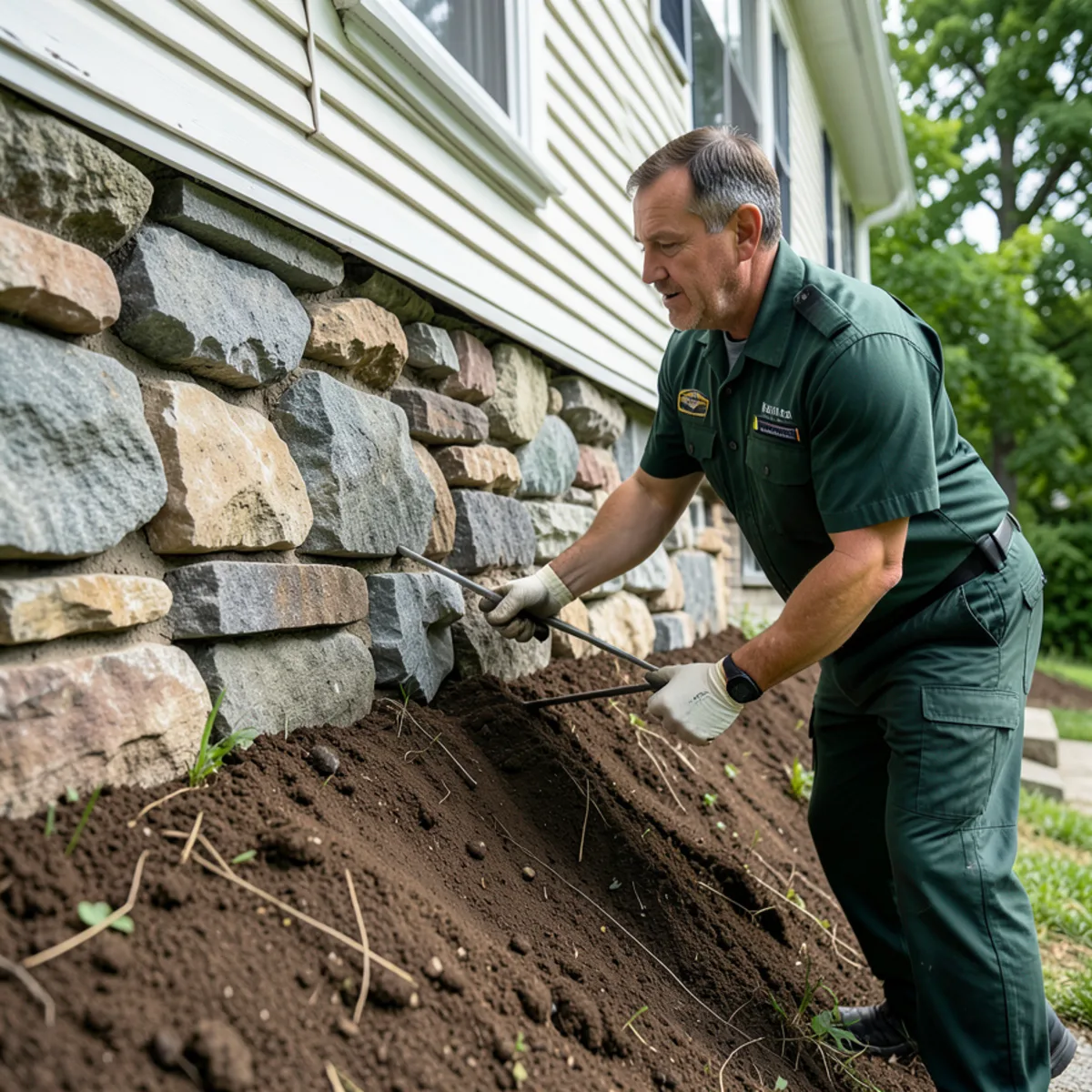
Understanding local architectural diversity is key to comprehending pest control pricing in Butler County. In downtown Butler, East Butler, and historic boroughs like Saxonburg and Zelienople, homes built between 1880 and 1940 frequently feature rubblestone and fieldstone foundation cellars. These century-old stone foundations possess irregular mortar lines, unpaved dirt crawlways, and porous lime joints that require extensive manual copper-mesh tuckpointing and specialized non-repellent liquid injections. In contrast, 1990s and 2000s residential subdivisions across Adams and Cranberry Townships feature smooth, poured-concrete foundation walls and modern engineered sill plates. While concrete foundations require less masonry labor, their expansive square footage, multiple attached patio slabs, and extensive finish basements demand larger barrier volumes. Transparent pricing reflects these physical differences.

Financial Analysis: One-Time Emergency Service vs. Quarterly Protection Plans
When evaluating pest control expenses, homeowners should weigh the overall lifetime value and warranty protections of recurring maintenance against reactive one-time visits.
| Plan Feature | One-Time Remediation Visit | Ongoing Quarterly Protection Plan |
|---|---|---|
| Initial Inspection | Focused strictly on single target pest species | Complete 360-degree multi-species property diagnostic |
| Warranty & Re-Service | Limited 30-day single-pest callback window | 100% year-round re-service guarantee between visits |
| Pest Coverage Scope | Treats only currently active insect or rodent | Covers ants, spiders, wasps, mice, centipedes & fall invaders |
| Preventative Barrier | Single chemical breakdown after 45–60 days | Renewed every 90 days synchronized with seasonal biology |
| Average Annual Cost | Multiple emergency visits ($500–$900+ total) | Economical fixed quarterly rate with no surprise fees |
Questions Butler Homeowners Should Ask Before Hiring an Exterminator
Before authorizing any residential pest service, ask the provider these essential vetting questions.
Checklist & Preventative Procedures:
- Does the quoted price include a written on-site inspection report detailing all active pest species and entry points?
- Will the technician point out structural defects (rotted fascia, crumbling mortar, missing door sweeps) contributing to the pest problem?
- Are re-treatments included at no extra charge if target pests reappear between scheduled seasonal visits?
- Are the active ingredients applied in accordance with Pennsylvania pesticide safety guidelines and EPA label standards?
The Real Drivers of Pest Control Costs in Butler County
Pest remediation is not a one-size-fits-all service. Legitimate local operators calculate written estimates based on five primary operational factors.
Checklist & Preventative Procedures:
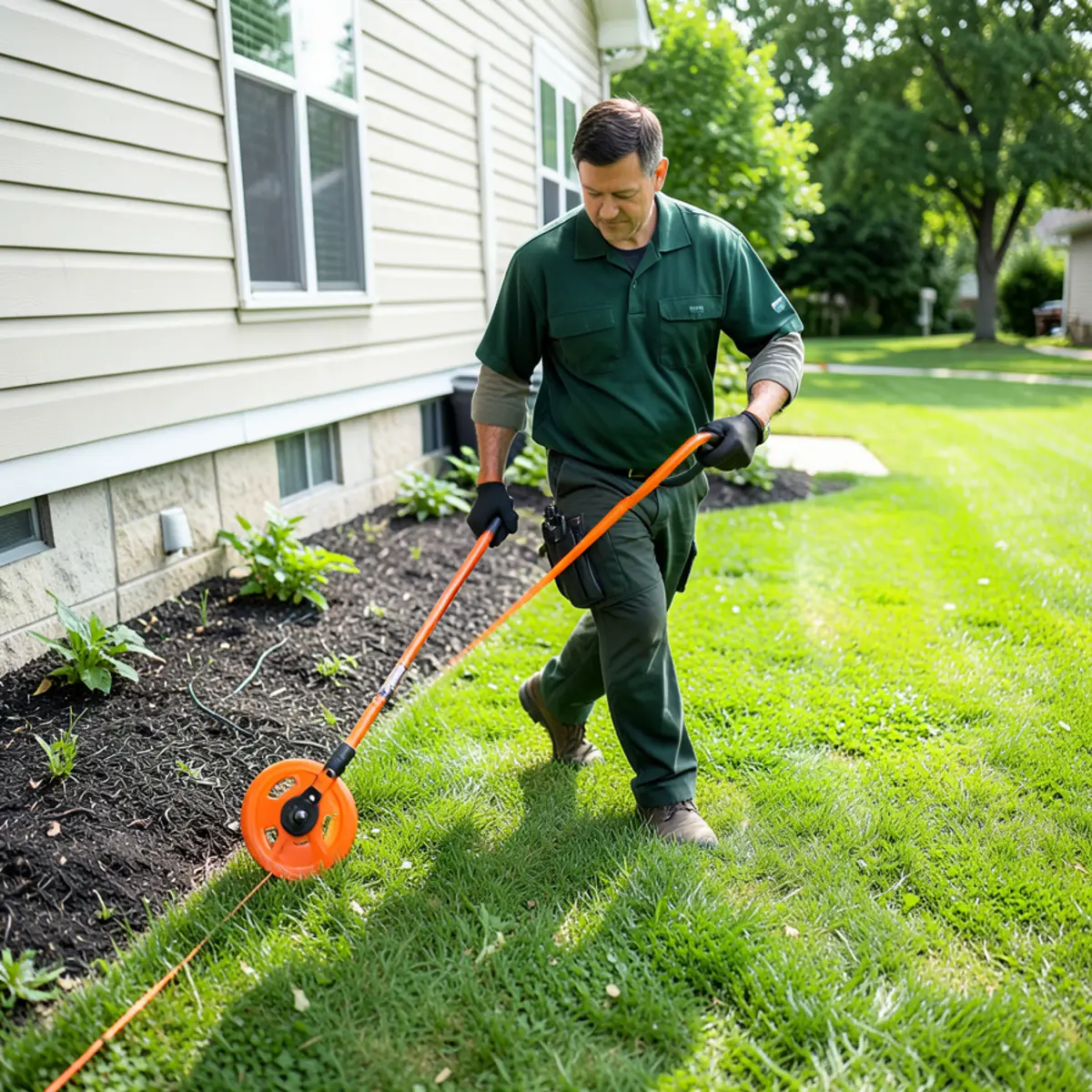
- Home Square Footage and Perimeter: A 1,400 sq ft bungalow in Butler City requires significantly less product and labor than a 4,500 sq ft residence in an Adams Township subdivision.
- Foundation Architecture: Century-old fieldstone basements with porous lime mortar require detailed inspection and physical copper mesh exclusion labor, whereas poured concrete foundations require straightforward perimeter spray applications.
- Target Pest Biology: Managing surface pavement ants involves simple baiting and barrier sprays, whereas subterranean termites require trenching and hundred-gallon soil barriers, and bed bugs require intensive thermal steam protocols.
- Infestation Severity & History: Newly discovered activity is cleared in a single follow-up, while established infestations in walls require extensive void injection and repeat monitoring.
- Outbuildings & Acreage: Detached pole barns, equestrian sheds, and wooded yard perimeters expand the treatment zone beyond the primary home footprint.
One-Time Eradication Visits vs. Quarterly Maintenance Plans
A one-time visit is designed to extinguish an immediate, active insect or wasp crisis. However, because chemical residuals naturally break down under western PA rain and UV exposure after 30 to 60 days, one-time sprays leave homes unprotected against subsequent seasonal migrations. A quarterly maintenance agreement renews the exterior protective envelope four times per year, keeping pest pressure low and eliminating the need for expensive emergency remediations.
The Hidden Costs of DIY Big-Box Store Insecticides
Many Butler homeowners attempt to solve pest problems by spending $100 to $250 on over-the-counter retail bug sprays, aerosol foggers, and ultrasonic repellers. Unfortunately, consumer store products utilize diluted, fast-acting pyrethroids that merely kill visible surface bugs while repelling the hidden parent colony deeper into wall cavities and ceiling joists. Furthermore, retail products wash away with the first western Pennsylvania rain shower. Professional formulations utilize micro-encapsulated active ingredients that adhere to foundation masonry, resist UV breakdown for 90 days, and transfer unnoticed back to the queen through natural insect grooming.
What to Ask for in a Written Pest Control Estimate
Before authorizing service, ensure your written estimate explicitly lists the target pests covered, whether initial inspection fees apply toward service, the exact frequency of follow-up visits, and what re-treatment provisions exist if covered pests return between scheduled appointments. Beware of low-cost "splash-and-dash" operators who offer quotes under $100 without conducting a physical inspection. Legitimate pest control requires commercial-grade active ingredients, calibrated application equipment (such as B&G stainless steel compressed air sprayers and Birchmeier backpack mist units), and comprehensive technician licensing under Title 7 PA Code. Reputable firms provide detailed itemization of the chemical formulations applied, their target biological modes of action, and explicit callback warranty parameters in writing before any work begins.
Understanding Warranty Guarantees, Re-Treatment Terms & Hidden Exclusions
When comparing residential pest control proposals across Butler County, homeowners must examine the written service warranty rather than judging strictly on initial sticker price. A reputable quarterly protection agreement includes an unconditional 365-day re-service guarantee: if covered pest species—such as pavement ants, spiders, mice, or yellowjackets—reappear between scheduled seasonal visits, an applicator returns to inspect and re-treat the property at zero additional charge. Homeowners should verify whether the agreement excludes outbuildings (like detached garages or pole barns), whether real estate termite transfer bonds carry annual renewal caps, and whether structural carpentry exclusion is performed in-house or outsourced.