
Prepare your home for warm weather! Use our comprehensive spring pest-proofing checklist to seal foundation sills, check rooflines, and stop bugs before summer.
Spring Thaw: When Subterranean and Overwintering Pests Wake Up
As ground frost thaws across Butler County in March and April, western Pennsylvania insect populations awaken simultaneously. Pavement ants begin foraging from foundation soil, subterranean termite colonies prepare for swarming flights, and overwintering stink bugs and ladybugs emerge from attic insulation seeking exits. Executing a methodical spring pest inspection safeguards your home against structural damage and nuisance invasions before summer humidity arrives.
Dealing with Active Pests in Butler County?
Call our local Butler dispatch desk at (321) 496-4080 for immediate guidance and inspection scheduling.
Understanding Spring Insect Emergence in Western Pennsylvania
As ground temperatures consistently climb above 50 degrees Fahrenheit in late March and April, the biological clock of subterranean and overwintering insects in Butler County accelerates. Fertile queen ants that overwintered deep beneath foundation footings begin producing large clutches of worker larvae, driving foraging trails upward along concrete slabs in search of carbohydrates and protein. Simultaneously, overwintering fertilized paper wasp queens emerge from behind window shutters and attic fascia to begin constructing new wood-pulp nests. Taking aggressive preventative action during this critical sixty-day spring window creates a protective perimeter barrier that stops pest populations before colonies reach their summer reproductive peaks.
Spring Property Inspection Zones & Target Pest Matrix
Inspect these critical structural zones during your annual spring property walkthrough.
| Property Zone | Primary Spring Pest Target | Inspection Indicator | Remediation Step |
|---|---|---|---|
| Foundation Grade Line | Pavement Ants, Odorous House Ants | Fine sand piles along sidewalk and slab cracks | Apply non-repellent perimeter liquid barrier |
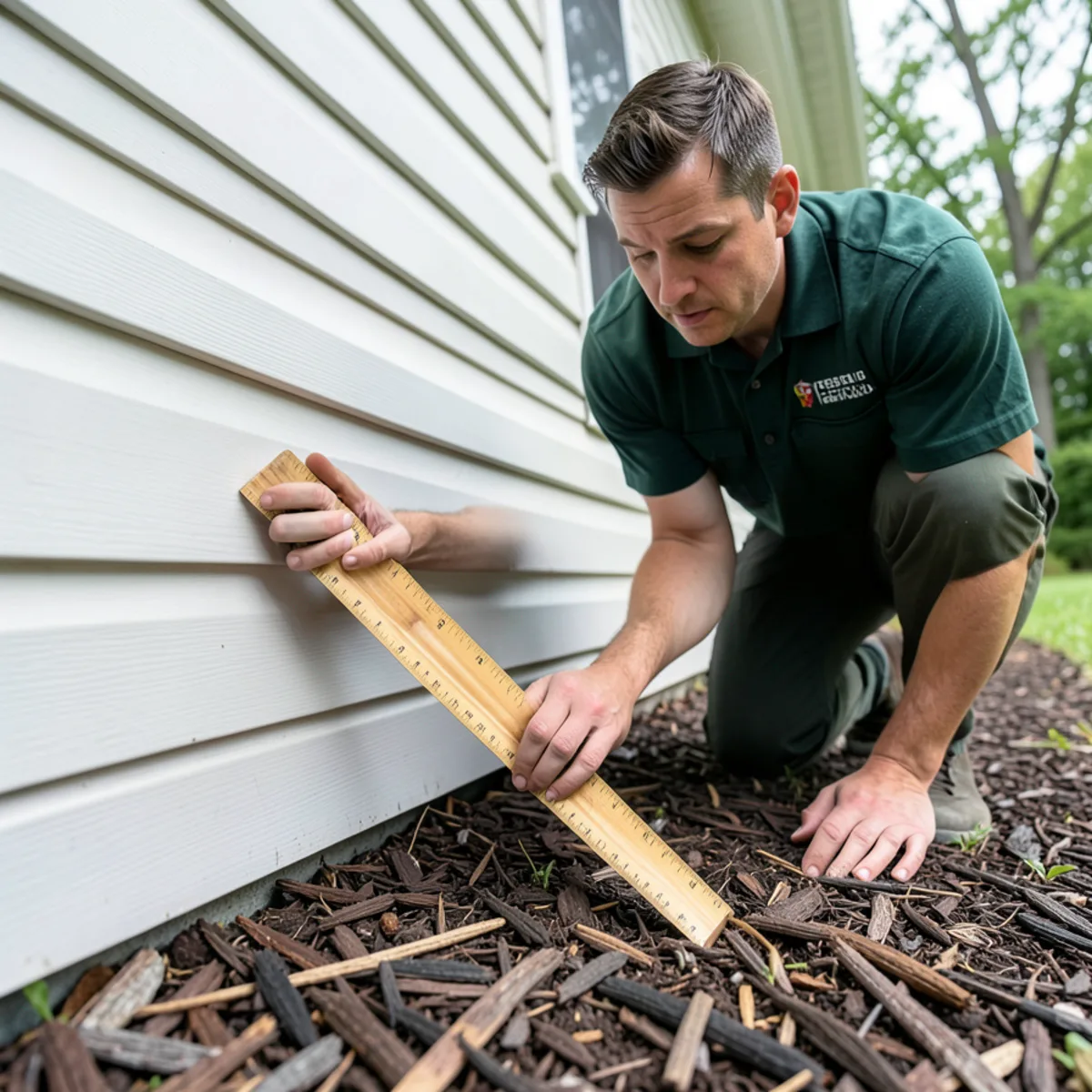
| Mulch & Flower Beds | Subterranean Termites, Earwigs | Decaying mulch within 6 inches of siding | Pull mulch back 6–12 inches; create dry gravel buffer |
| Roof Soffits & Fascia | Paper Wasps, Mud Daubers | Small hexagonal paper combs on trim boards | Brush nests down and treat nesting surface with repellent |
| Basement Rim Joists | Field Mice, Spiders, Silverfish | Spiderwebs, mouse droppings, insulation damage | Seal exterior rim joist gaps with copper mesh and silicone |
Comprehensive Spring Pest-Proofing Maintenance Checklist
Complete these six essential maintenance tasks before mid-May to safeguard your Butler home for the warm summer months.
Checklist & Preventative Procedures:
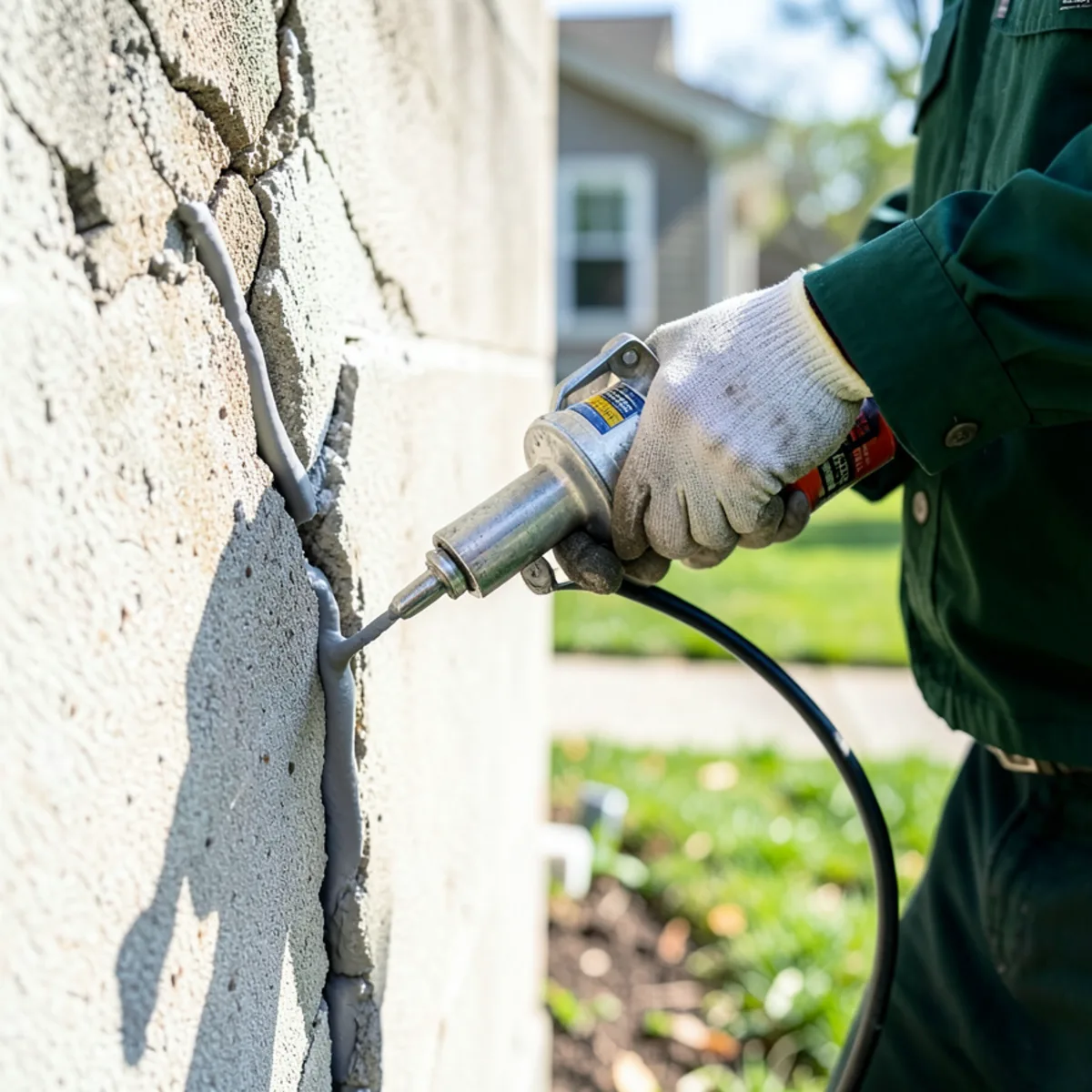
- Inspect exterior foundation mortar and apply polyurethane sealant to all settling cracks wider than a credit card.
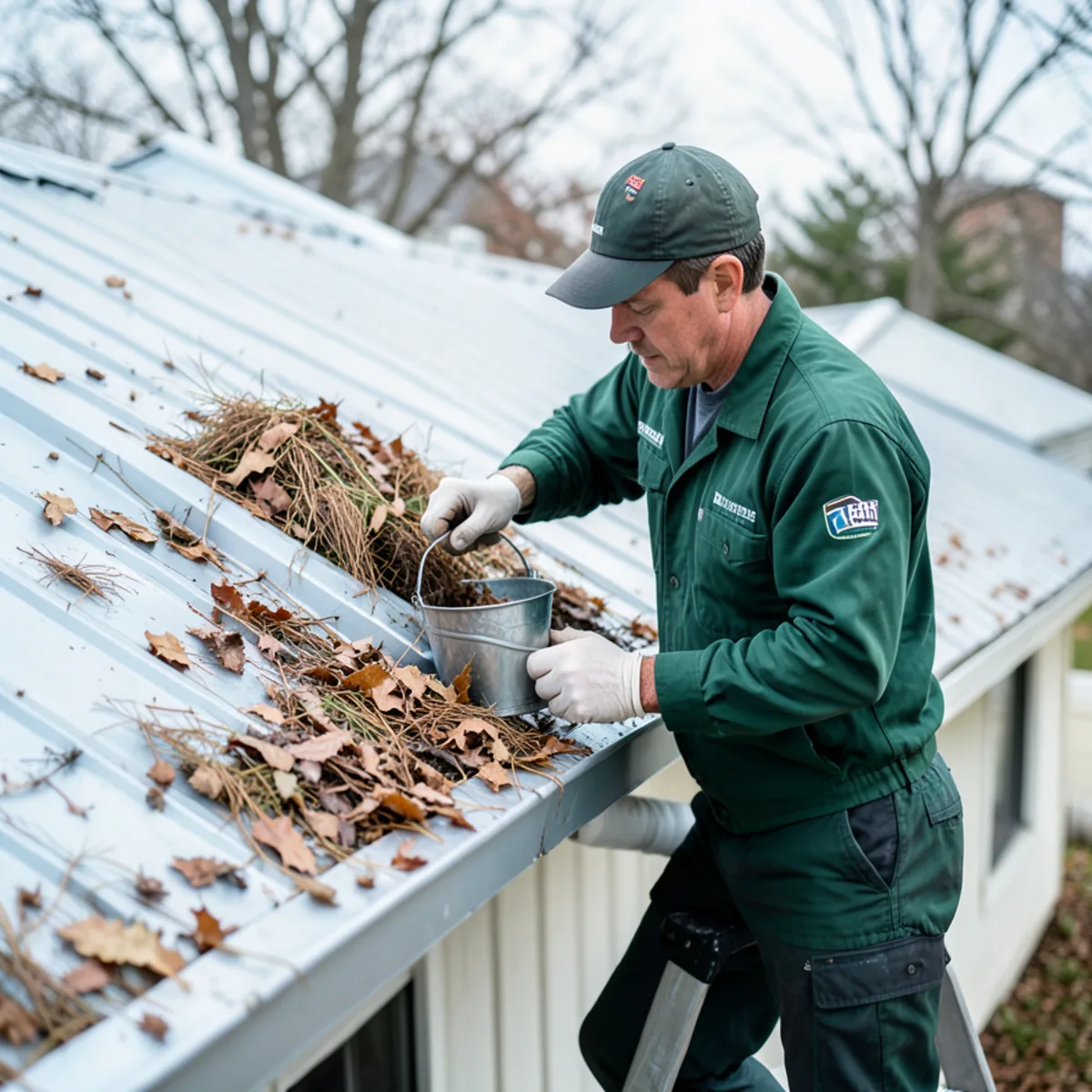
- Clean winter debris and leaves from all roof gutters and verify downspouts discharge water at least five feet from foundation walls.
- Trim all tree limbs, flowering shrub branches, and climbing vines at least two feet away from roofing shingles and vinyl siding.
- Replace torn window screens and install snug-fitting weatherstripping along exterior door thresholds.
- Service or clear basement sump pumps and dehumidifiers to maintain basement relative humidity below 50 percent.
Foundation Grade & Masonry Inspection Steps
Begin your inspection outside at the soil grade line where foundation walls meet exterior siding:
Checklist & Preventative Procedures:
- Inspect foundation block and mortar lines for vertical settlement cracks, sealing gaps with polyurethane masonry caulk.
- Verify that garden mulch is kept at least six inches below the bottom edge of siding to prevent moisture bridges for carpenter ants and termites.
- Clear decomposing leaf litter away from basement window wells and foundation corners to eliminate damp pest harborage.
- Inspect basement egress well drainage grates to ensure spring stormwater does not pool against foundation window seals.
- Check that exterior hose bibs, electrical conduit penetrations, and AC line sleeves are tightly sealed with elastomeric sealant.
Roofline, Gutters & Attic Ventilation Audits
Next, evaluate roof eaves and overhangs where stinging insects and carpenter ants search for harborage:
Checklist & Preventative Procedures:
- Clean roof gutters thoroughly; winter ice damming and damp organic debris foster carpenter ant and gnat nesting.
- Trim back overhanging tree branches to maintain at least a six-foot clearance from roof shingles and gutters.
- Inspect soffit panels and fascia boards for soft, spongy wood decay caused by winter snowmelt.
- Check that attic gable vents and ridge screens are firmly secured without tears.
Basement & Crawlspace Interior Moisture Checks
Finally, inspect interior subterranean areas. Check basement sill plates and rim joists for insect frass, termite mud tubes, or rodent droppings. In older Butler homes with unpaved dirt crawlways or rubble masonry, moisture control is the single most critical deterrent against spring insect invasions. Installing a minimum 10-mil polyethylene vapor barrier across exposed earth crawlspace floors prevents ground moisture from evaporating into floor joists. Keeping crawlspace and basement relative humidity consistently below 50 percent stops the fungal wood decay that softens structural timber, effectively depriving carpenter ants and wood-boring beetles of the moist wood fibers necessary for nesting gallery excavation.
Micro-Encapsulated Spring Barrier Timing & Pollinator Safety
The scientific efficacy of an exterior perimeter barrier depends directly on timing and chemical formulation. In Butler County, soil temperatures consistently reach 50°F to 55°F between late March and mid-April, signaling subterranean insects to migrate upward. Modern professional barrier applications utilize micro-encapsulated synthetic pyrethroids (such as lambda-cyhalothrin or bifenthrin). The microscopic polymer capsules protect the active ingredient against UV breakdown, heavy spring rainfall, and porous masonry absorption, delivering a continuous 90-day protective zone. To protect emerging native pollinators, applications are restricted to the immediate foundation perimeter—treating 3 feet up the foundation wall and 3 feet out onto adjacent soil—while maintaining absolute clearance from blooming dandelions, clover, and early spring ornamental flowers.
Attic Ventilation Wire Mesh Retrofitting & Ridge Cap Mechanical Sealing
A comprehensive spring pest-proofing walkthrough must examine the upper building envelope where rising warm air creates thermal plumes attractive to flying insects and bats. Standard builder-grade vinyl or plastic attic gable louvers frequently feature wide quarter-inch openings or flimsy insect screens that degrade under UV sun exposure. Homeowners should retrofit gable louvers and soffit continuous intake vents with 1/8-inch galvanized hardware cloth or marine-grade stainless steel mesh secured with stainless fasteners. Furthermore, roof ridge caps require specialized compression-fit foam closures or copper mesh inserts along the roof peak to prevent overwintering brown marmorated stink bugs, paper wasp foundresses, and cluster flies from penetrating attic decking during warm spring thaws.