Buying or selling a home in Butler County? Learn what mortgage lenders require on the official NPMA-33 Wood Destroying Insect report and how inspections work.
Why Wood Destroying Insect (WDI) Inspections Matter in Real Estate
Whether you are purchasing a modern home in Cranberry Township or listing an older property in Gibsonia, wood-destroying insect inspections are an integral component of Pennsylvania real estate closings. Mortgage lenders—particularly VA, FHA, USDA, and many conventional loan underwriters—mandate a certified inspection to verify that the home structural timbers are free of active infestation and unaddressed wood rot before releasing funds.
Dealing with Active Pests in Butler County?
Call our local Butler dispatch desk at (321) 496-4080 for immediate guidance and inspection scheduling.
FHA, VA & Conventional Mortgage Guidelines for Pennsylvania Home Sales
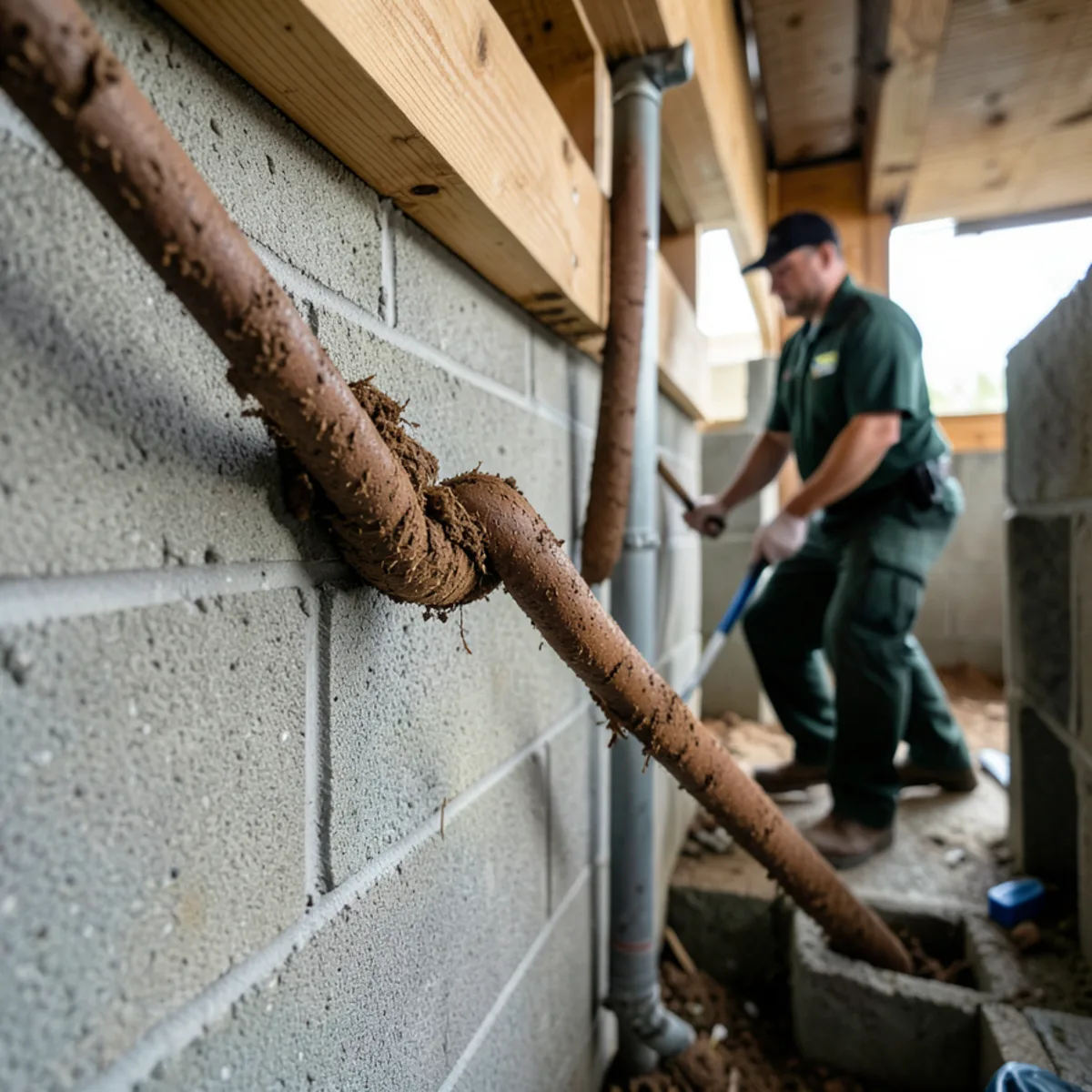
Mortgage underwriting regulations treat wood-destroying insect reports with strict scrutiny. For United States Department of Veterans Affairs (VA) guaranteed home loans in Pennsylvania, a clean NPMA-33 WDI report is a mandatory condition of underwriting approval. Until recently, VA regulations prohibited buyers from paying the termite inspection fee directly, requiring the seller or lender to cover the cost; however, updated VA lending rules now allow buyers to negotiate the payment structure. Federal Housing Administration (FHA) loans and Fannie Mae/Freddie Mac conventional underwriting also require termite certification whenever the property appraisal flags evidence of wood decay, subterranean termite mud tubes, or carpenter ant frass. If active wood-destroying insect activity is identified, lenders will not fund the mortgage until a licensed pest control professional executes an approved chemical treatment and provides written certification that the infestation has been fully remediated.
Common Inaccessible & Obstructed Areas in Butler County Homes
Section 3 of the NPMA-33 report requires the inspector to record all areas of the property that were obstructed from visual examination. Real estate buyers and agents must understand that a standard WDI inspection is non-destructive—inspectors cannot tear down drywall, pull up carpeting, or dismantle wood paneling.
| Obstructed Area | Common Butler Home Feature | Potential Concealed Threat | Recommended Buyer Action |
|---|---|---|---|
| Finished Basement Drywall | Finished game rooms and finished basement suites | Mud shelter tubes hidden behind drywall framing | Request seller disclosure of past termite treatments |
| Inaccessible Crawlspaces | Low-clearance dirt crawlways under vintage porches | Moisture rot, carpenter ants, and termite sill damage | Ensure access hatch is unlocked and cleared for inspection |
| Heavy Vegetation Abutting Siding | Overgrown yews, rhododendrons, and boxwoods | Concealed foundation cracks and insect mud conduits | Prune shrubs back 12 inches prior to scheduled inspection |
| Cluttered Utility Rooms | Storage boxes piled against boiler and electrical panels | Hidden rodent runways and termite tube clusters | Clear a 3-foot perimeter around all foundation walls |
Pre-Closing Checklist for Butler County Buyers, Sellers & Realtors
Avoid closing delays by executing these practical steps before the pest inspector arrives on site.
Checklist & Preventative Procedures:
- Verify that access hatches to basements, crawlspaces, and attics are fully unlocked and unobstructed.
- Keep copies of previous termite treatment warranties and annual renewal receipts available for the buyer.
- Schedule the WDI inspection at least three weeks prior to closing to allow ample time for remediation if pests are found.
- Ensure all wood-to-ground contacts around porches, deck stair stringers, and trellises are documented.
The NPMA-33 Form: What Inspectors Look For
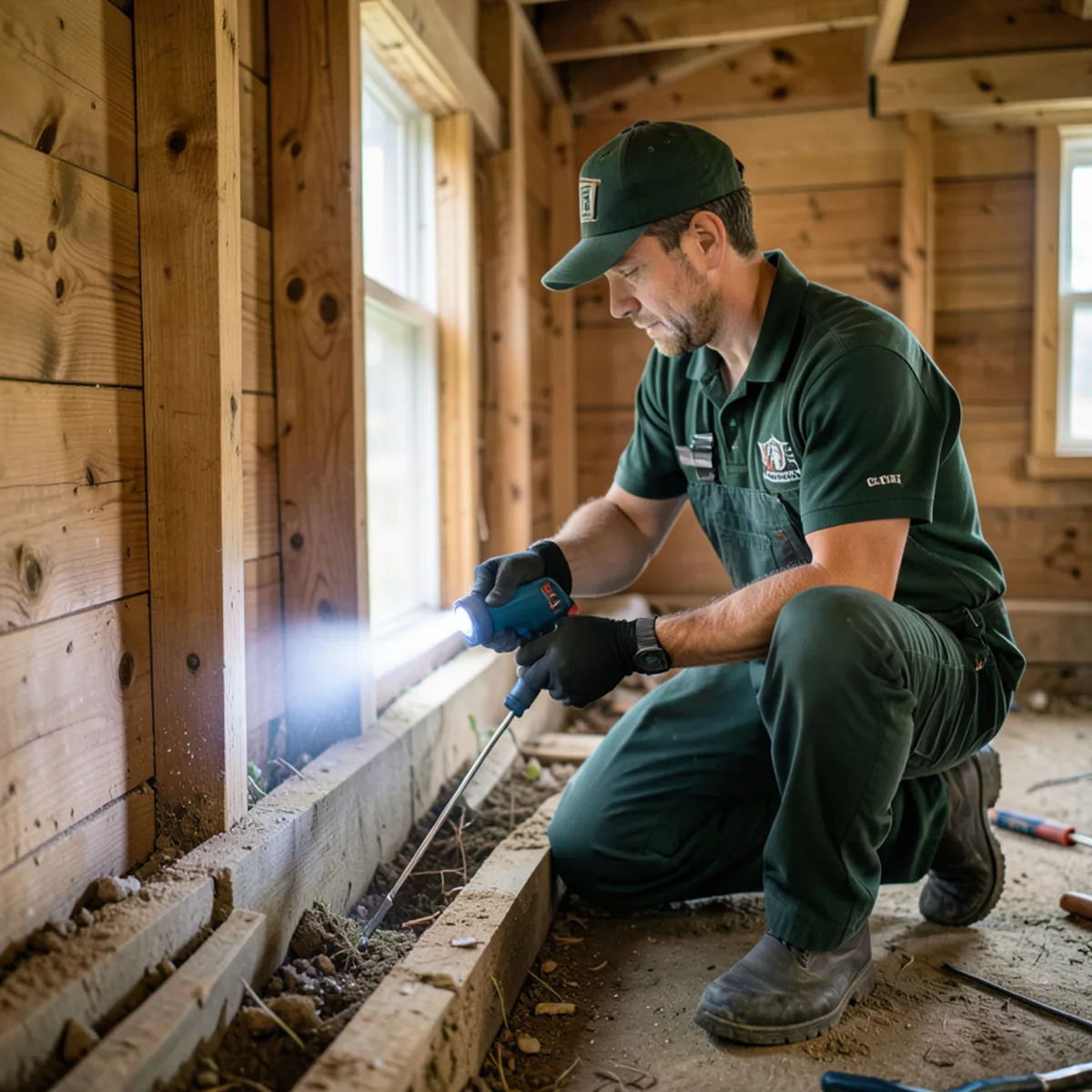
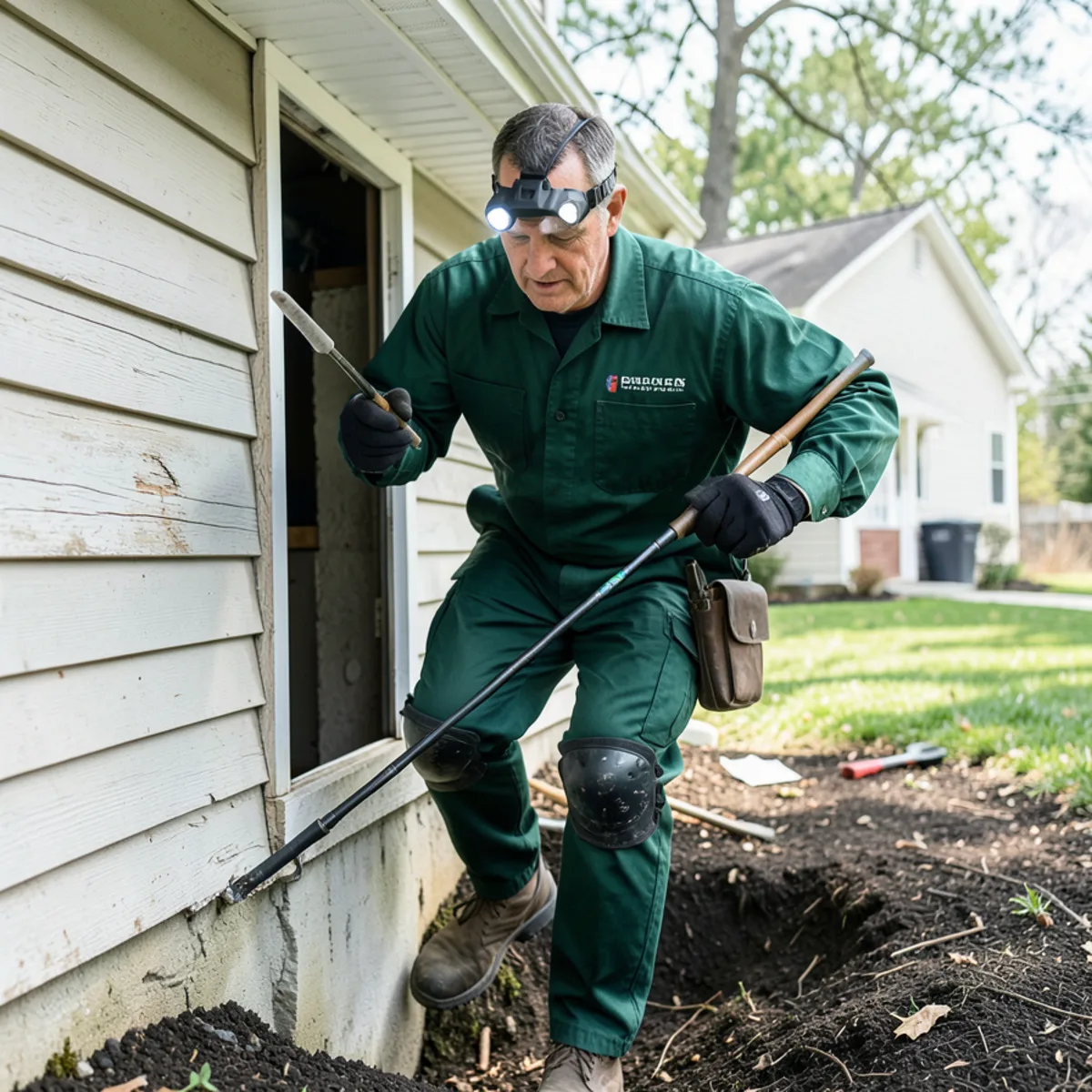
In Pennsylvania, structural pest inspectors utilize the official National Pest Management Association NPMA-33 Wood Destroying Insect Inspection Report. The report is limited to four specific wood-destroying organisms: subterranean termites, carpenter ants, powderpost beetles, and carpenter bees. Inspectors conduct a rigorous visual examination and physical sounding of all accessible structural members, foundation walls, crawlspaces, basement rim joists, and plumbing penetrations. During the physical sounding process, inspectors strike exposed joists, sill plates, and support posts with a specialized brass-headed sounding hammer or heavy screwdriver handle. Undamaged timber produces a sharp, solid ring; wood with concealed subterranean termite galleries sounds hollow and dull. Furthermore, inspectors utilize optical fiber borescopes to inspect behind plumbing access panels, heating duct chases, and electrical conduit voids where subterranean termites frequently build hidden mud tubes directly from sub-slab soil into main structural framing.
Section I vs. Section II Findings: Understanding the Report
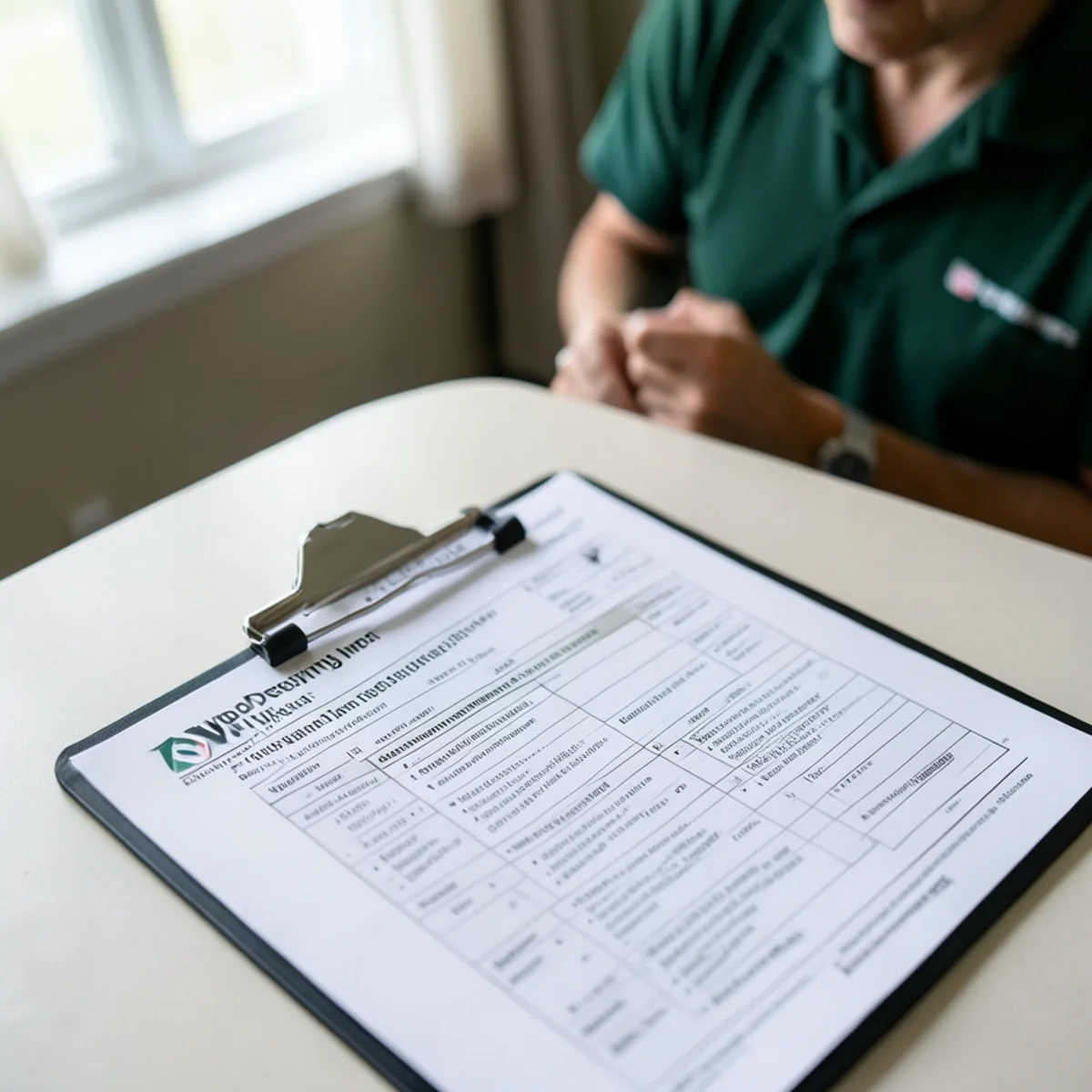
The NPMA-33 report categorizes findings into distinct sections. Section I indicates whether there is visible evidence of active wood-destroying insects (such as live termites, fresh frass, or active mud tubes). Section II documents evidence of past infestation or damage where no live insects were observed. If active insects or structural damage are noted, lenders will require professional treatment and structural repair before loan approval.
Who Orders and Pays for the WDI Inspection in Pennsylvania?
In standard Pennsylvania residential real estate contracts, the buyer typically orders and pays for the WDI inspection during their standard 10- to 15-day inspection contingency window. However, on VA loans, historic underwriting rules sometimes negotiate this expense between buyer and seller depending on loan stipulations. Coordinating early avoids delayed closing dates.
Pennsylvania Category 12 Certification & Closing Protection
In the Commonwealth of Pennsylvania, real estate WDI inspection reports cannot be legally executed by standard home inspectors unless they hold individual Commercial Pesticide Applicator Certification through the Pennsylvania Department of Agriculture (Title 7 PA Code Chapter 128) under Category 12 (Wood Destroying Pests). A certified Category 12 inspector is trained in timber sounding, moisture detection, and species differentiation. If an active infestation is identified during escrow, having an accredited applicator allows immediate treatment mobilization and fast re-inspection certification, preventing missed mortgage rate-lock deadlines.
Treatment Documentation, Soil Re-Trenching & Escrow Holdback Procedures
When a Pennsylvania WDI inspection identifies active subterranean termites within days of scheduled real estate settlement, buyers and sellers must act quickly to prevent mortgage underwriting cancellation. Mortgage lenders frequently permit an "escrow holdback" agreement, where 1.5 times the written remediation quote is deposited into an escrow account from seller proceeds so closing can proceed on schedule. The licensed pest control contractor must execute an approved liquid termiticide soil barrier (trenching and rodding foundation perimeters with non-repellent termiticides) or install an accredited subterranean bait monitoring matrix. Upon treatment completion, the company issues an official pesticide application record detailing chemical trade name, EPA registration number, total linear feet treated, and an active transferable one-year warranty bond required by the title underwriter.