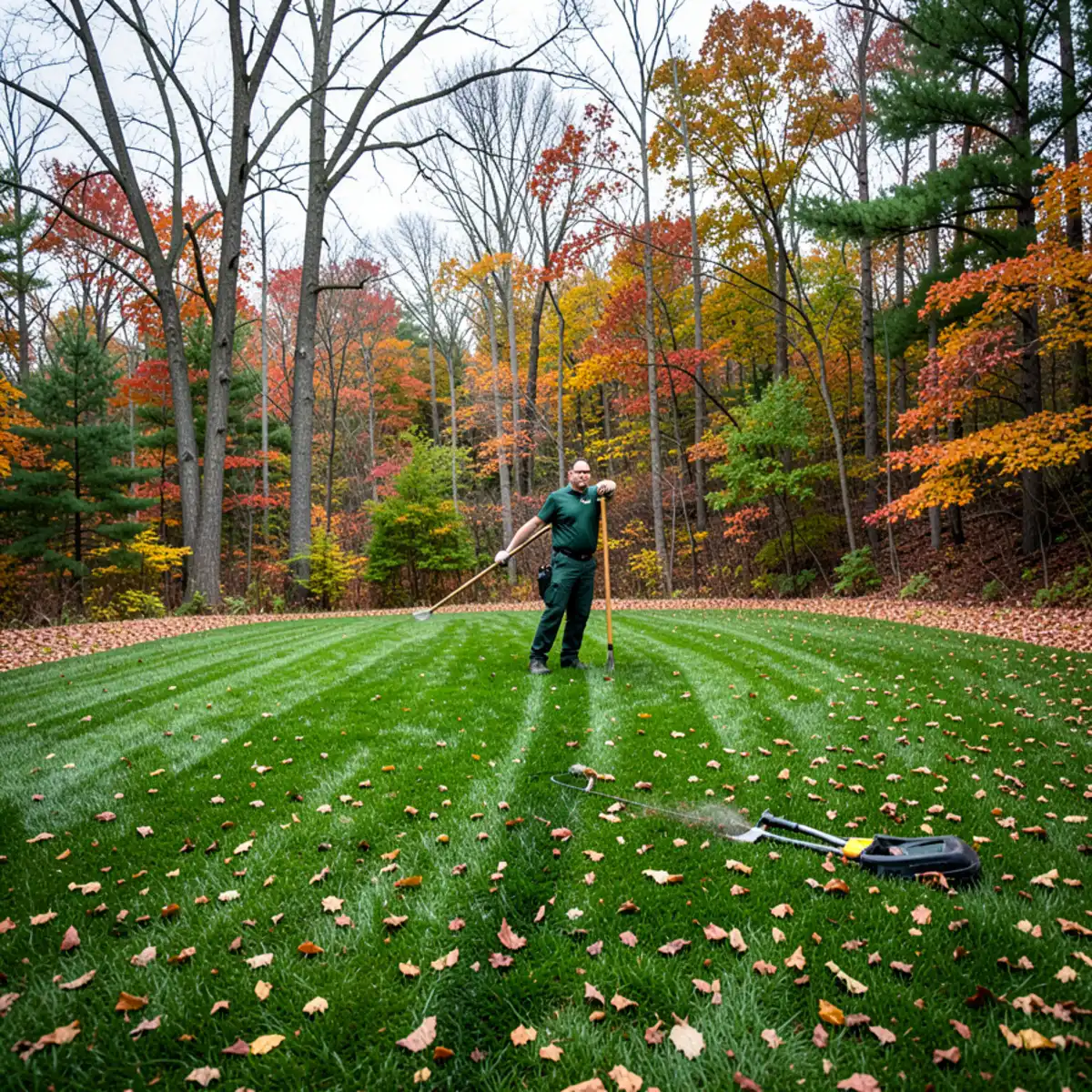
Butler County consistently ranks among Pennsylvania top counties for Lyme disease. Follow this practical landscaping and treatment checklist to protect your yard.
The Local Reality: Butler County’s Position as a High Lyme Disease Zone
Pennsylvania has led the nation in confirmed Lyme disease cases for over a decade, and public health data repeatedly identifies Butler County among the highest-reporting counties statewide, with regional hospitals and clinics recording more than 300 confirmed cases annually. The culprit is the blacklegged tick (Ixodes scapularis), which thrives in our moist deciduous forests and transmits Borrelia burgdorferi bacteria to humans and family pets. Protecting your household begins with managing the yard environment where most tick bites occur.
Dealing with Active Pests in Butler County?
Call our local Butler dispatch desk at (321) 496-4080 for immediate guidance and inspection scheduling.
Western PA Lyme Disease Epidemiology & Blacklegged Tick Surveillance
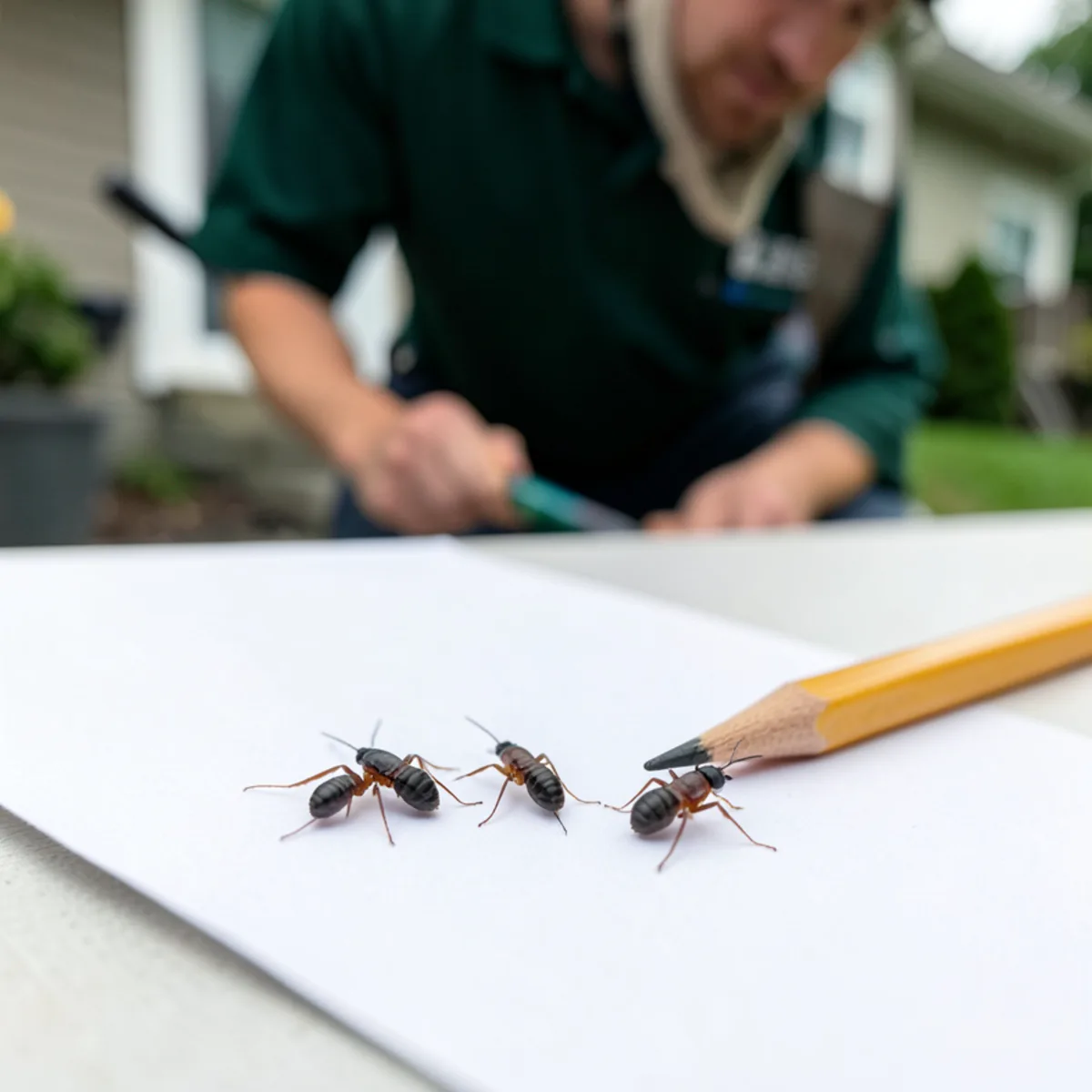
Butler County represents one of the most documented Lyme disease transmission corridors in the eastern United States. According to health surveillance reports compiled by the Pennsylvania Department of Health and reported by regional media outlets, Butler County has repeatedly placed among the top three highest-case counties across the state. Blacklegged deer ticks (Ixodes scapularis) have a complex two-year life cycle involving four distinct stages: egg, six-legged larva, eight-legged nymph, and mature adult. In western Pennsylvania, tick larvae hatch in late summer and take their first blood meal from white-footed deer mice, acquiring Borrelia burgdorferi (the bacterium responsible for Lyme disease). The following spring and early summer, infected larvae molt into tiny poppy-seed-sized nymphs. Nymphs are responsible for over 70% of human Lyme disease transmissions because their microscopic size allows them to feed undetected for several days.
Tick-Safe Landscape Design Strategies for Butler County Yards
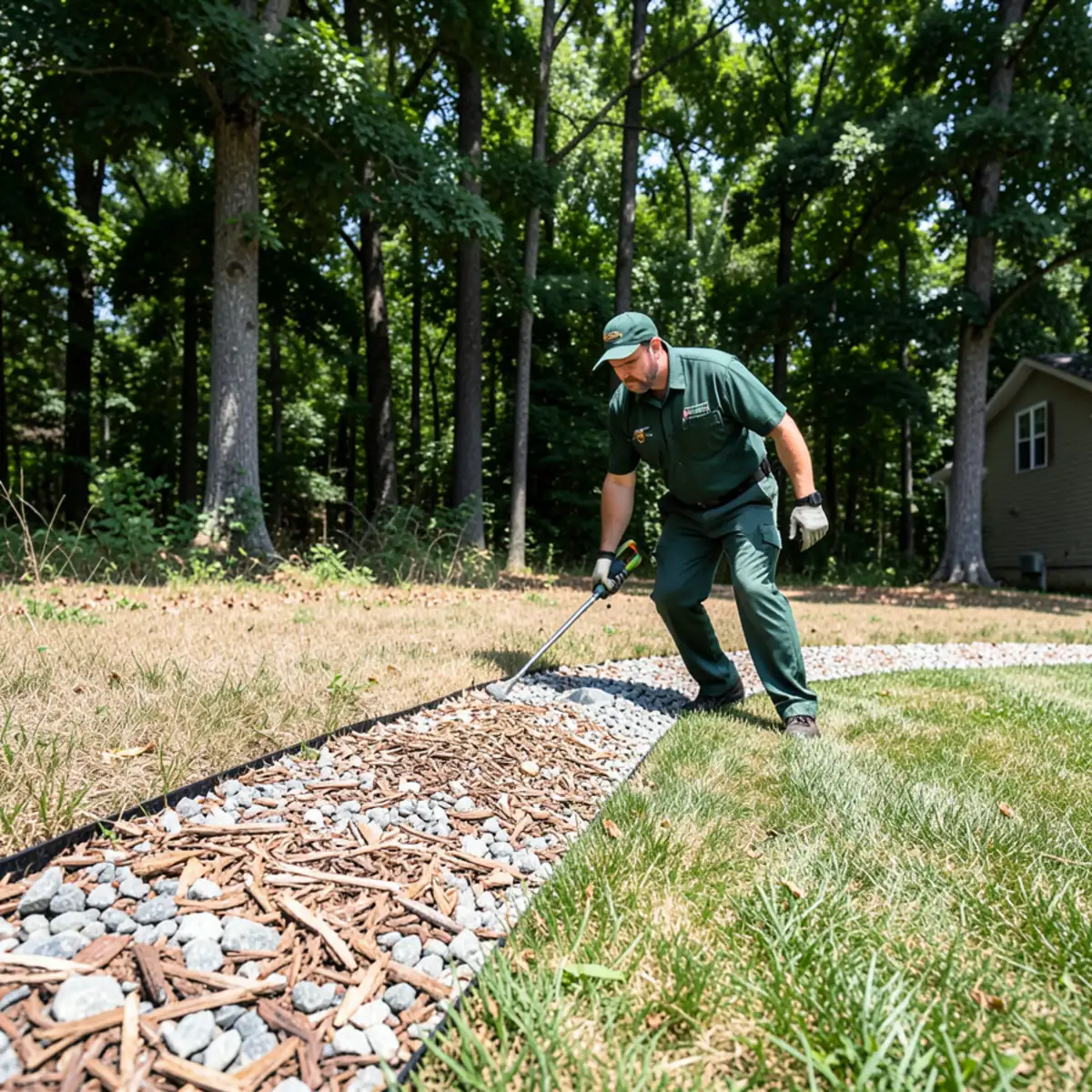
Beyond barrier misting, physical landscape modification creates an inhospitable, dry microclimate that discourages ticks from migrating from woodland edges into family living areas.
| Landscape Modification | Biological Mechanism | Implementation Best Practice |
|---|---|---|
| 3-Foot Crushed Stone / Mulch Barrier | Creates a dry, abrasive border that dehydrates questing ticks | Place along entire boundary between lawn grass and wooded brush |
| 9-Foot Deer Fencing | Excludes white-tailed deer, the primary reproductive host for adult ticks | Install along woodland perimeter around residential yards |
| Pruning Low Tree Branches | Increases sunlight penetration to dry out moist soil leaf litter | Elevate tree canopies to allow direct afternoon sun onto turf |
| Clearing Leaf Litter & Brush Piles | Eliminates damp, insulated sheltering zones for tick nymphs | Rake fallen leaves 20+ feet away from children play equipment |
Tick Prevention Protocol for Pets & Outdoor Family Members
Implement these daily preventative measures during peak tick questing seasons from April through November.
Checklist & Preventative Procedures:
- Perform thorough physical tick checks on children and pets immediately after playing outdoors near wooded edges.
- Apply EPA-registered insect repellents containing DEET, Picaridin, or Oil of Lemon Eucalyptus to exposed skin.
- Treat hiking boots, outdoor socks, and gardening clothing with 0.5% Permethrin spray before outdoor activities.
- Consult with your local veterinarian to maintain year-round oral or topical tick preventative medication for dogs and cats.
Understanding Tick Life Stages and Peak Risk Windows
Ticks pass through four life stages: egg, six-legged larva, eight-legged nymph, and adult. The tiny nymphal stage—active from May through July and no larger than a poppy seed—is responsible for over 70 percent of human Lyme disease transmissions because its bite is completely painless and easily overlooked on skin. Adult ticks emerge in late September and October, questing on tall brush through the first hard winter freezes.
The Yard Ecotone: Where Ticks Actually Harbor
Ticks are sensitive to desiccation and avoid dry, manicured lawns exposed to direct sunlight. Instead, over 80 percent of ticks in residential yards congregate along the "ecotone"—the shaded transition zone where lawn meets forest edges, ornamental groundcovers, brush piles, and stone landscape walls. This is where white-footed mice and deer travel, dropping questing ticks directly into residential perimeters.
Tick Drag Sampling & Professional Misting Science
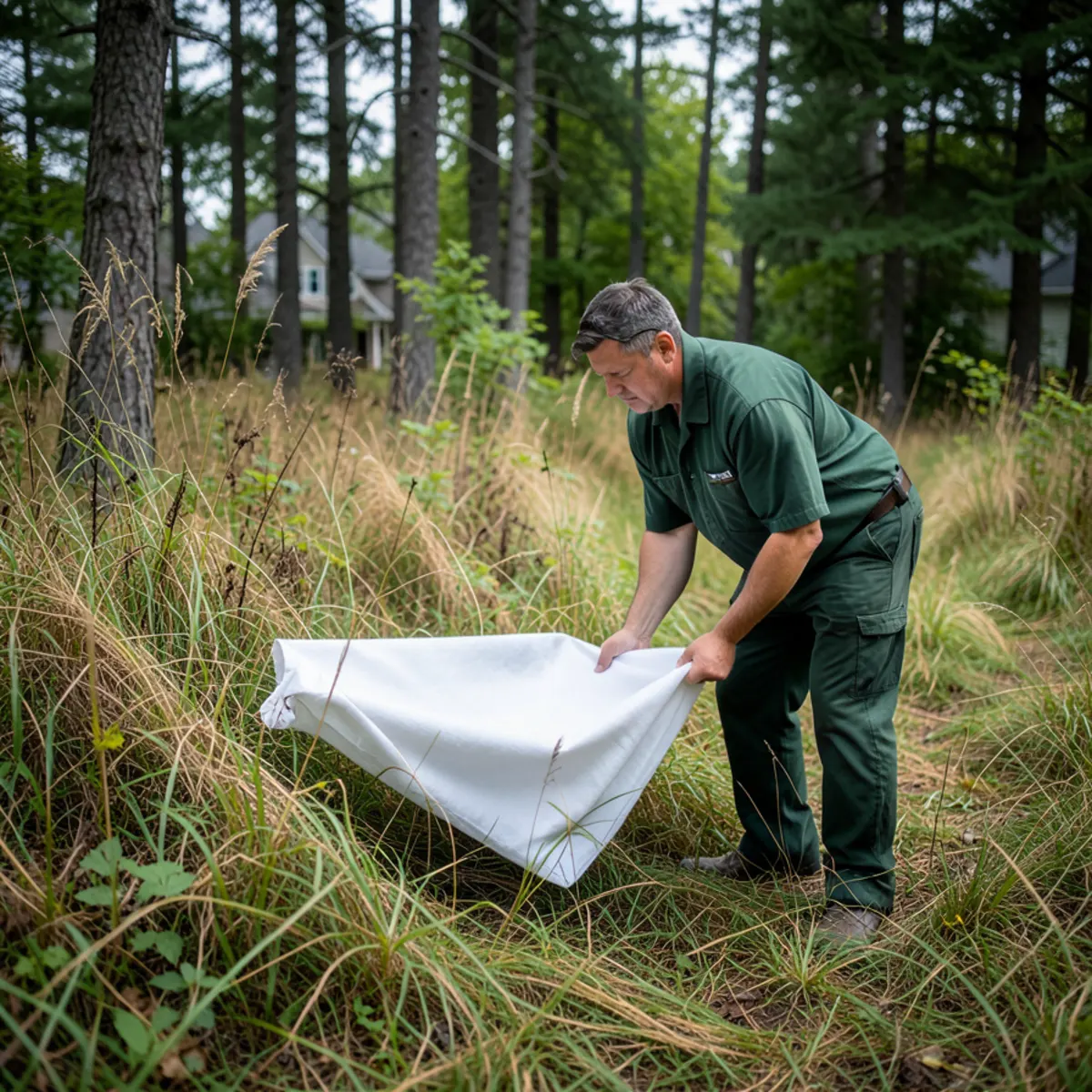
Professional tick mitigation in Butler County begins with diagnostic surveillance. Technicians pull a 1-meter white flannel drag cloth across ecotone margins and leaf litter to sample local nymphal densities. Once tick populations are mapped, specialized mist-blowers (like the Stihl SR 450) apply low-volume, micro-encapsulated pyrethroid barriers to the lower 18 inches of perimeter brush. This micro-droplet technology coats the underside of foliage where questing ticks wait for passing hosts, providing continuous lethal residual action for 30 to 45 days while strictly avoiding sunny flowering plants visited by honeybees.
Six-Step Homeowner Yard Protection Checklist
Implement these proactive landscape modifications to dramatically lower tick populations on your property:
Checklist & Preventative Procedures:
- Install a 3-foot-wide border of crushed stone, woodchips, or gravel between wooded boundaries and open lawn to create a dry, uncrossable physical barrier.
- Keep turf grass mowed under three inches; tall grass retains morning dew that allows ticks to survive.
- Clear fallen leaves and damp brush piles from yard borders and beneath ornamental shrubs.
- Relocate children playsets, patios, and outdoor dining tables into sunny areas at least 15 feet away from woodland margins.
- Stack firewood neatly on elevated racks in dry, sunny areas away from the home foundation.
- Schedule professional perimeter barrier misting treatments from April through October to intercept questing nymphs and adults.
Host-Targeted Tick Control Tubes & White-Footed Mouse Reservoirs
Managing tick populations in Butler County woodlots requires targeting the primary wildlife reservoir responsible for infecting blacklegged tick nymphs: the white-footed deer mouse (Peromyscus leucopus). Host-targeted tick control tubes (such as Damminix or Thermacell tubes) leverage natural rodent nesting instincts. Biodegradable cardboard cylinders packed with permethrin-treated cotton balls are distributed along stone walls, woodpiles, and briar thickets in spring and late summer. Foraging mice collect the treated cotton fibers to insulate their underground nests. As mice sleep in the cotton, the permethrin binds to their fur, instantly killing larval and nymphal ticks without harming the mice or other wildlife, interrupting the Lyme transmission cycle directly at the environmental source.