Following local West Nile virus detection near Moraine State Park, learn how Butler County homeowners can eliminate backyard mosquito breeding grounds.
West Nile Surveillance in Butler County: Understanding the Local Risk
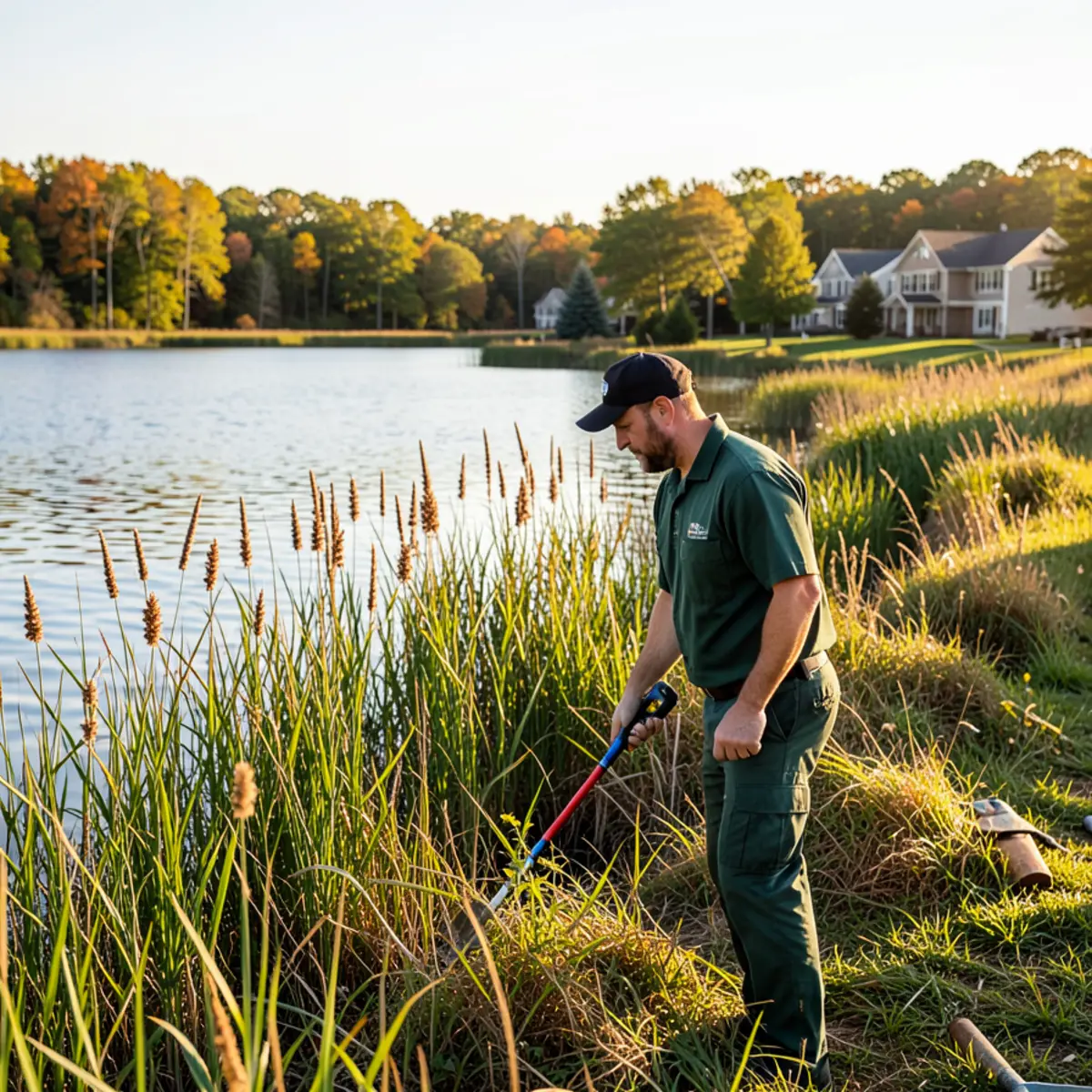
In summer 2025, the Pennsylvania Department of Environmental Protection vector surveillance team confirmed Butler County first West Nile virus-positive mosquito pool in Franklin Township, directly adjacent to Lake Arthur and Moraine State Park. While West Nile virus is detected across western Pennsylvania every summer, positive surveillance pools highlight the importance of active mosquito suppression in surrounding residential communities such as Slippery Rock, Prospect, and Butler Township.
Dealing with Active Pests in Butler County?
Call our local Butler dispatch desk at (321) 496-4080 for immediate guidance and inspection scheduling.
2025 Butler County West Nile Virus Surveillance Update
In summer 2025, regional environmental monitoring programs administered by the Pennsylvania Department of Environmental Protection (DEP) detected positive West Nile virus mosquito samples in Franklin Township, located directly adjacent to Moraine State Park and Lake Arthur in northern Butler County. While the majority of individuals infected with West Nile virus experience mild or no symptoms, severe infections can cause neuroinvasive disease, including encephalitis and meningitis, particularly among elderly residents and immunocompromised individuals. The presence of positive mosquito pools in the Moraine State Park basin reinforces the urgent importance of eliminating standing water in residential yards across Slippery Rock, Butler, and surrounding rural townships.
Standing Water Drainage & Yard Treatment Strategies
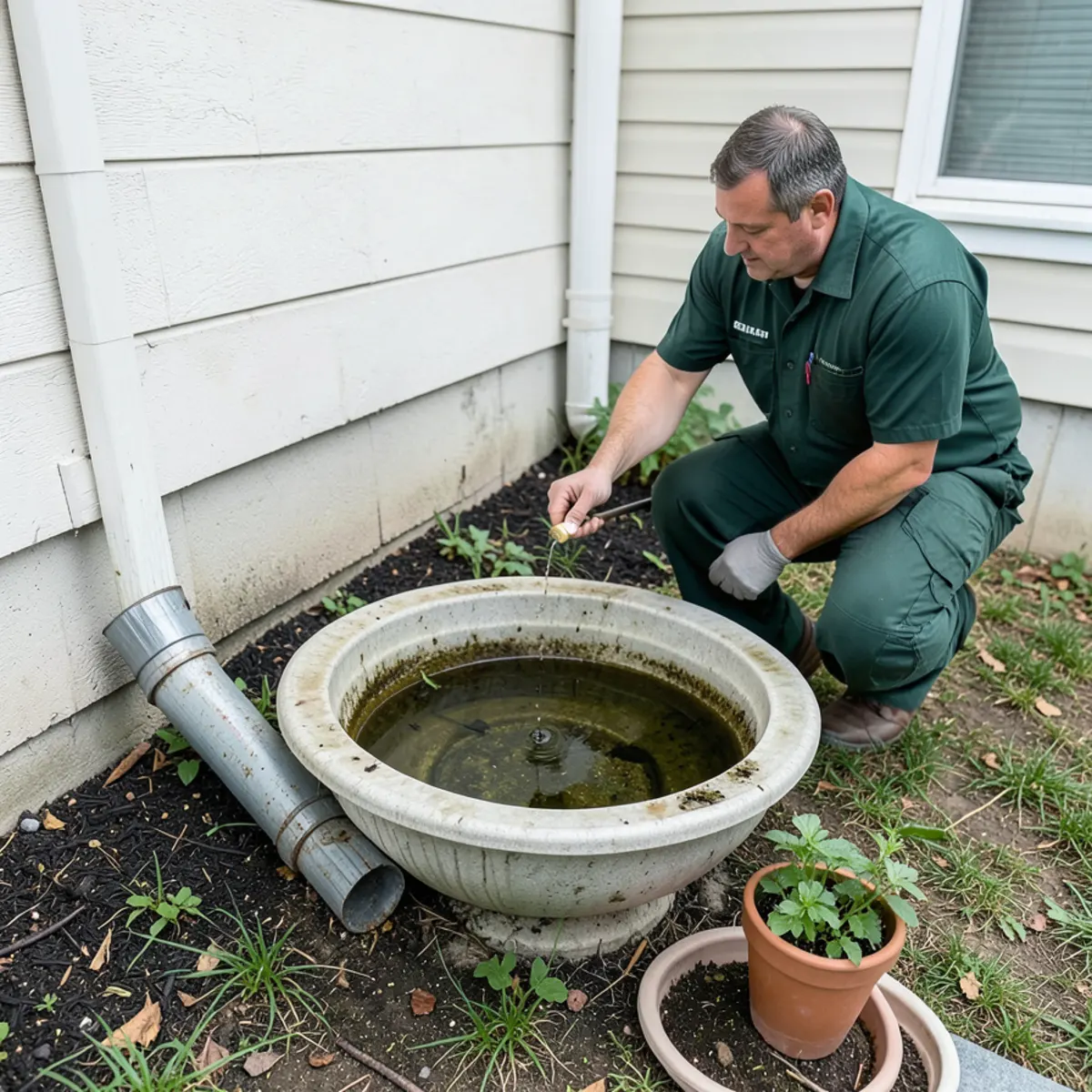
Female Culex mosquitoes require only a bottle cap of stagnant water to deposit egg rafts containing up to 300 eggs. Review this environmental management guide to eliminate breeding habitats around your property.
| Potential Breeding Source | Mosquito Risk Level | Recommended Elimination Action |
|---|---|---|
| Uncleaned Roof Gutters | High (stagnant organic sludge) | Clear decaying leaves and install gutter guards to ensure free drainage |
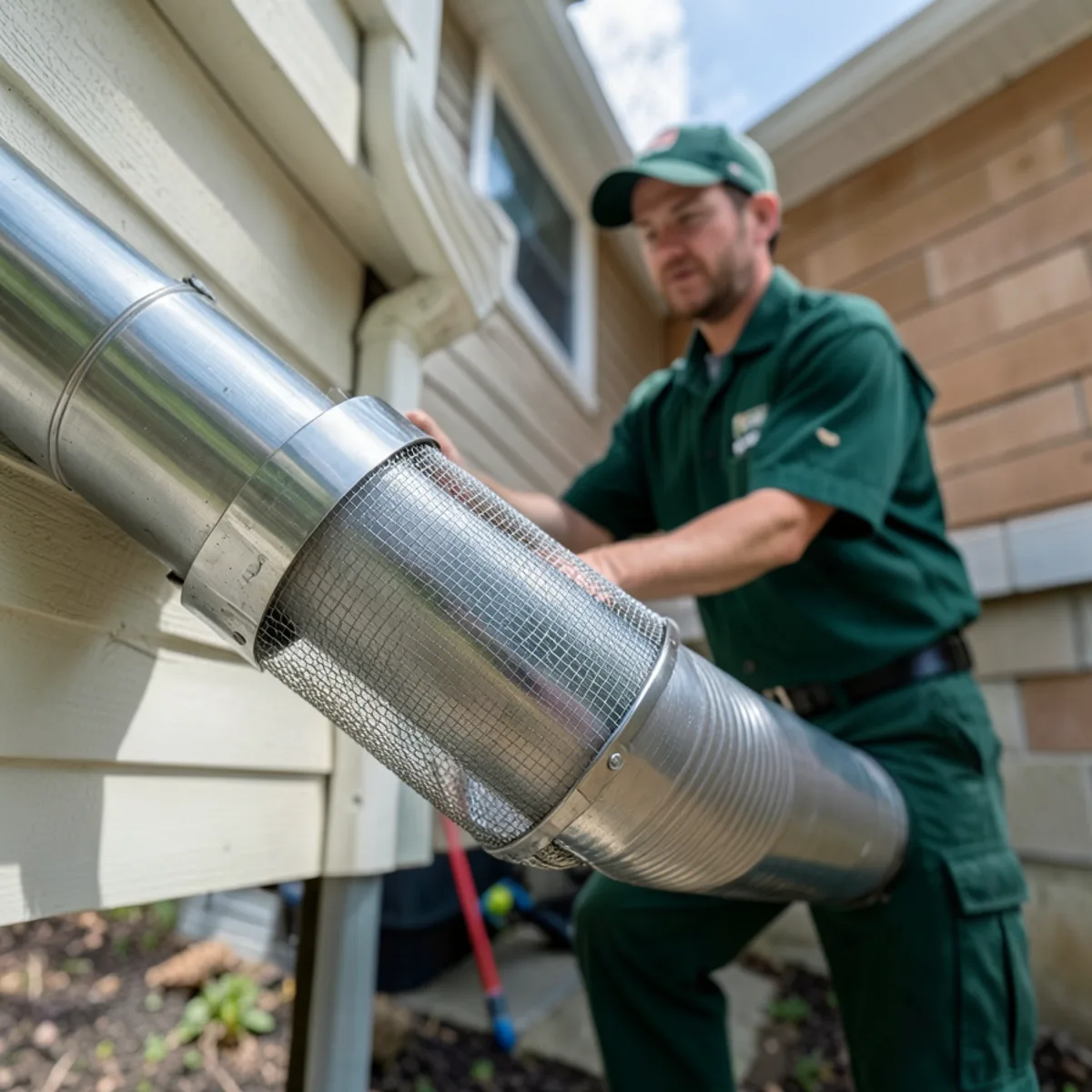
| Corrugated Downspout Extensions | High (water traps in plastic ribs) | Replace corrugated plastic extensions with smooth PVC drain pipe |
| Birdbaths & Pet Water Bowls | Moderate (requires frequent renewal) | Dump and scrub with fresh water every four to five days |
| Outdoor Toy Wagons & Tarps | Moderate (collects rainwater in folds) | Store children toys under cover and pull tarps taut to prevent pooling |
| Low-Lying Drainage Swales | High (holds water for 48+ hours) | Apply biological Bacillus thuringiensis israelensis (BTI) larvicide dunks |
Weekly 10-Minute Mosquito Reduction Walkthrough Checklist
Take ten minutes every weekend to walk your yard and neutralize mosquito breeding pools before larvae emerge.
Checklist & Preventative Procedures:
- Inspect saucers beneath potted patio plants and dump all collected standing drainage water.
- Invert wheelbarrows, garden carts, and unused plastic flowerpots when stored outdoors.
- Ensure outdoor swimming pools, hot tubs, and ornamental ponds have active filtration or biological mosquito dunks.
- Clear organic yard debris, tall weeds, and overgrown brush piles that provide shaded resting spots for adult mosquitoes.
The Culex Vector: Biology of the Northern House Mosquito
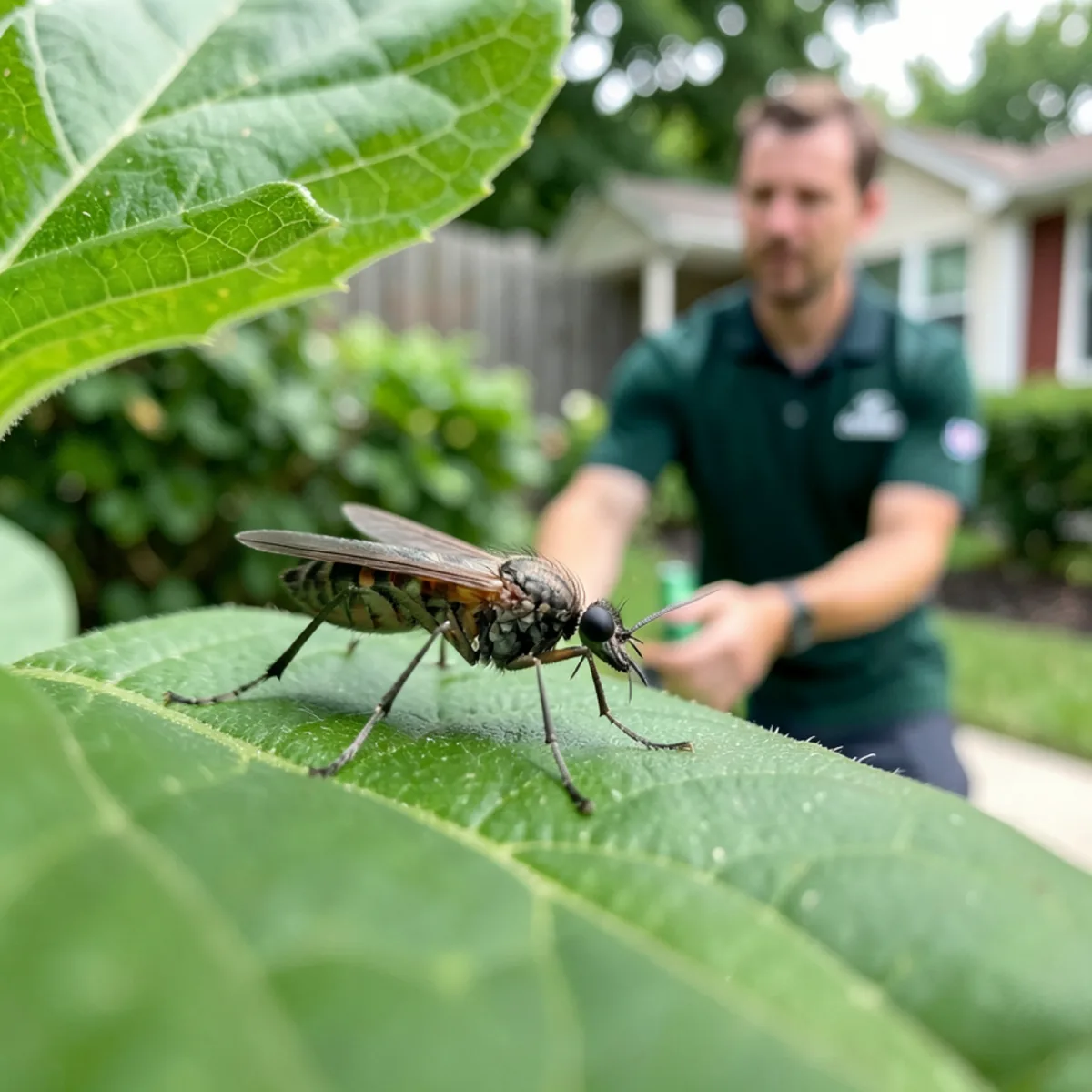
The primary vector of West Nile virus in Pennsylvania is the northern house mosquito (Culex pipiens). Unlike floodwater mosquitoes that breed in temporary woodland pools, Culex mosquitoes thrive in stagnant, organic-rich standing water found in neglected residential containers. Culex pipiens mosquitoes exhibit strong ornithophilic feeding preferences during early summer, feeding primarily on perching birds such as American robins, blue jays, and house sparrows. However, by late July and August, as fledgling birds disperse, adult female Culex shift their feeding behavior toward mammals, dramatically increasing the transmission rate of West Nile virus to humans and horses during evening blood meals. This seasonal host shift makes proactive mid-summer larvicide application and barrier misting around residential perimeters essential.
Eliminating Backyard Breeding Grounds: The Seven-Day Rule
A female mosquito can lay up to 300 eggs in an area of standing water as small as a bottle cap. Because mosquito development from egg to flying adult requires only seven to ten days in summer warmth, emptying or treating standing water weekly breaks the reproductive cycle.
Checklist & Preventative Procedures:
- Dump standing water from flowerpot saucers, plastic tarps, wheelbarrows, and children toys every five to seven days.
- Flush and scrub birdbaths twice weekly to dislodge attached mosquito egg rafts.
- Clean roof gutters in spring and late summer; decomposing oak leaves in clogged gutters create ideal Culex breeding pools.
- Install fine wire mesh screening over the open ends of corrugated plastic downspout extensions to prevent water accumulation.
Biological Larvicides for Non-Drainable Water Collections
For landscape ponds, rain barrels, or ditch swales that cannot be drained, use biological larvicides containing Bacillus thuringiensis israelensis (Bti). Bti is a naturally occurring soil bacterium that specifically targets and destroys mosquito larvae without harming fish, pets, birds, or beneficial aquatic insects.
Bti Biological Mode of Action & EPA Aquatic Buffer Compliance
Bacillus thuringiensis israelensis (Bti) is the global gold standard for biological mosquito larvicide because of its microscopic specificity. When applied to standing water pools, Bti bacteria produce crystalline protoxins. When ingested by alkaline-gut mosquito and blackfly larvae, digestive enzymes activate the crystals into delta-endotoxins that bind to cellular receptors, causing pore formation and osmotic gut lysis within 2 to 24 hours. Because the protoxin requires a specific high-pH gut environment absent in mammals, birds, amphibians, fish, and adult bees, Bti carries an exceptional safety profile. When executing barrier adulticide misting in properties bordering Moraine State Park and Lake Arthur tributaries, technicians strictly observe Pennsylvania environmental guidelines, maintaining a mandatory 25-foot untreated buffer along natural water bodies to protect non-target aquatic organisms.
County Vector Surveillance Trapping & RT-PCR Virus Testing Protocols
Public health mosquito management in Butler County is guided by scientific surveillance conducted in partnership with the Pennsylvania Department of Environmental Protection (DEP). Field biologists position CDC miniature light traps paired with carbon dioxide emitters (dry ice) along wetland margins near Lake Arthur and Moraine State Park to attract host-seeking adult mosquitoes. Additionally, gravid traps containing fermented organic hay infusions collect egg-bearing female Culex mosquitoes. Captured insects are sorted by species, frozen into sample pools of up to 50 mosquitoes, and submitted to state laboratories for Real-Time Reverse Transcriptase Polymerase Chain Reaction (RT-PCR) testing. Detection of West Nile viral RNA in local mosquito pools triggers targeted community advisories and localized perimeter barrier misting.